The Air We Share: How EDIAQI is Supporting Europe to Shape the Future for Healthier Indoor Environments
We spend up to 90% of our lives indoors, yet indoor air quality remains one of Europe's most overlooked environmental health challenges. While growing scientific evidence links indoor air pollution to significant health risks, it has historically received far less attention than outdoor air pollution.
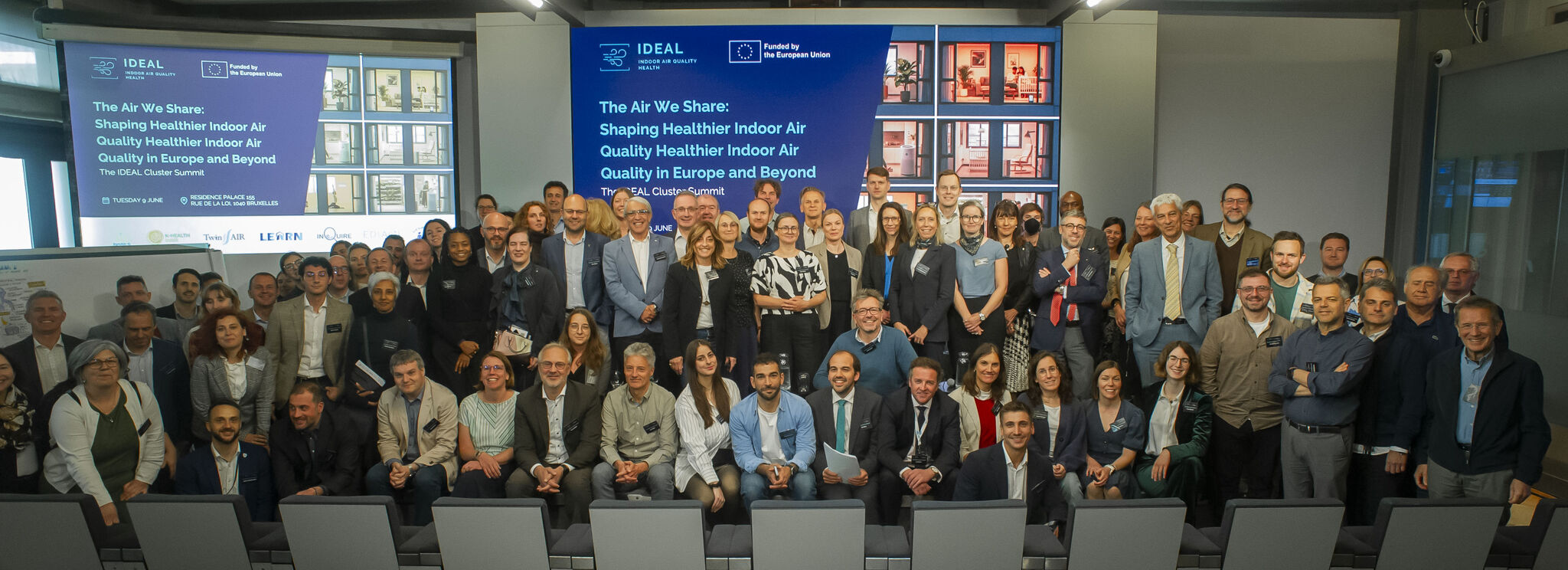
To help change this, EDIAQI, coordinated by The Lisbon Council, brought together policymakers, researchers, industry leaders, public authorities and civil society for The Air We Share: Shaping Healthier Indoor Air Quality in Europe and Beyond - the inaugural IDEAL Cluster Summit. Organised in collaboration with the six sister projects of the IDEAL Cluster, the event showcased the collective achievements of seven Horizon Europe projects, representing more than 120 organisations and over €50 million in European research and innovation.
More than celebrating four years of collaboration, the Summit marked the beginning of the IDEAL Cluster's lasting legacy. As the project leading the development of the IDEAL Cluster Roadmap, EDIAQI brought together the Cluster's expertise to explore how scientific evidence, innovative technologies and policy can be translated into healthier indoor environments across Europe and beyond.
Throughout the day, participants examined the latest scientific advances, discussed the policy landscape, showcased innovative tools and technologies, and identified the priorities that will shape the future of indoor air quality research, standardisation, awareness and implementation.
Welcome and Opening
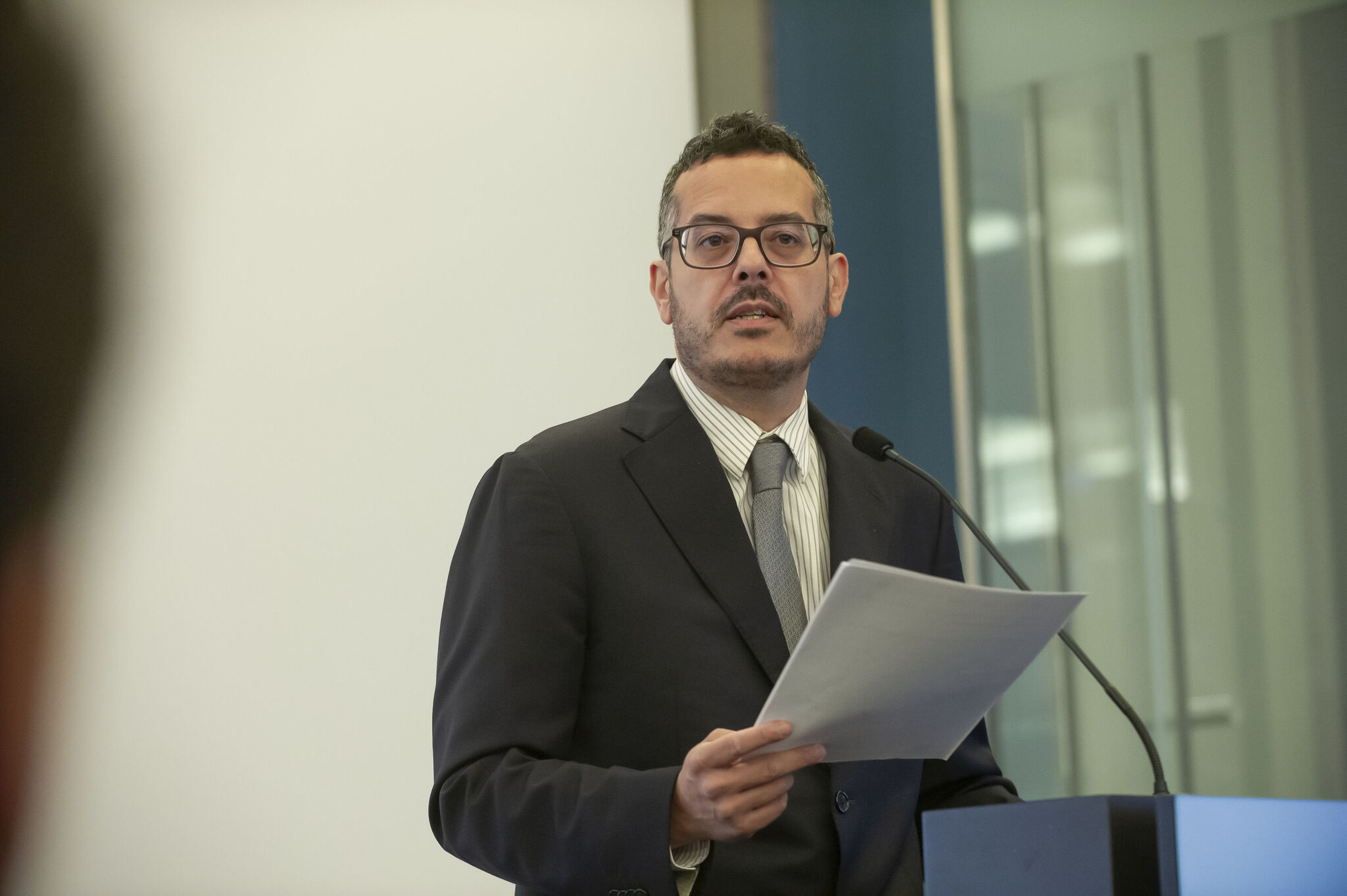
The Summit was opened by Francesco Mureddu, Vice President for Development and Senior Researcher at The Lisbon Council, who welcomed participants from across Europe and highlighted the importance of collaboration in translating indoor air quality research into practical solutions and lasting impact.
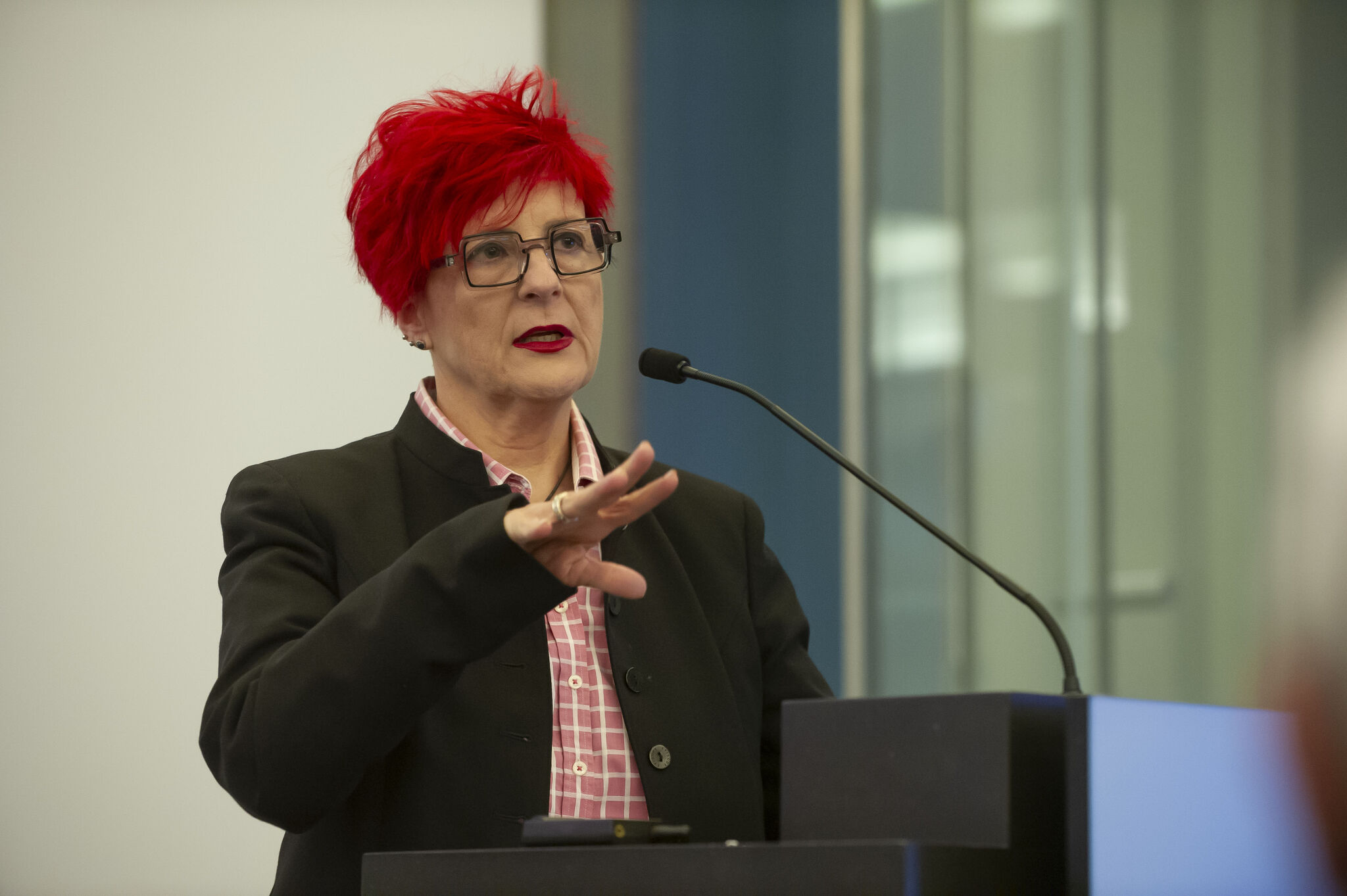
The opening keynote was delivered by Director Maria Pilar Aguar Fernández, Director for People: Health and Society at the European Commission's Directorate-General for Research and Innovation (DG RTD). She reminded participants that researchers are agents of change, emphasising that scientific excellence must ultimately translate into healthier people, healthier buildings and evidence-based policymaking.
Together, their opening remarks set the tone for the day: Europe has the knowledge, innovation and partnerships needed to improve indoor air quality - the challenge now is turning that evidence into action.
The Complexity of Indoor Air Quality – A Joint Venture through the IDEAL Cluster
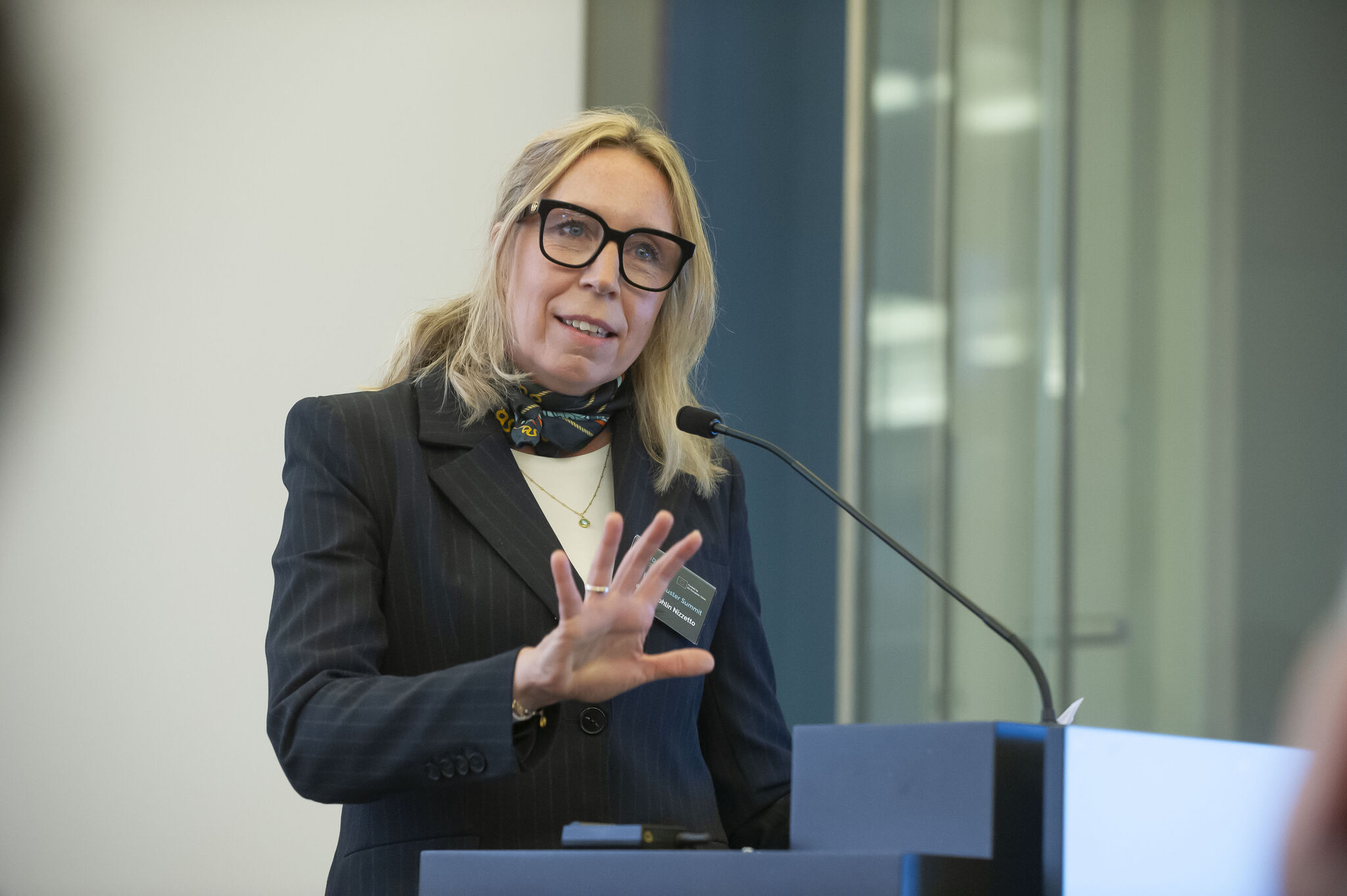
Moderated by Pernilla Bohlin Nizzetto (NILU), the Summit's opening scientific session showcased the breadth of expertise across the seven IDEAL Cluster projects. Together, the speakers demonstrated how Europe is advancing indoor air quality research through complementary approaches spanning exposure science, health research, digital innovation, monitoring technologies and building management.
The session featured:
- Mario Lovrić (EDIAQI) – Exposure science, monitoring technologies and evidence-driven indoor air quality improvement.
- Prof. Heidi Salonen (InChildHealth) – Children's exposure, harmonised datasets and health risk assessment.
- Maja Nippen (INQUIRE) – The indoor exposome and the chemical and biological determinants of indoor air quality.
- José Fermoso Domínguez (K-HEALTHinAIR) – Innovative monitoring technologies and indoor air quality management solutions.
- Ernesto Alfaro-Moreno (LEARN) – Indoor air quality, children's health and educational environments.
- Prof. Nikos Papadopoulos (SynAir-G) – Intelligent multisensing technologies to improve children's indoor environments.
- Dr Stylianos Karatzas (TwinAIR) – Digital twins and smart technologies for healthier buildings.
The session highlighted that no single discipline can solve indoor air quality alone. By combining expertise from across the seven Horizon Europe projects, the IDEAL Cluster is building a holistic understanding of indoor environments and developing innovative solutions that support healthier buildings and healthier lives.
Improving Indoor Air Quality in Europe – A Political Imperative
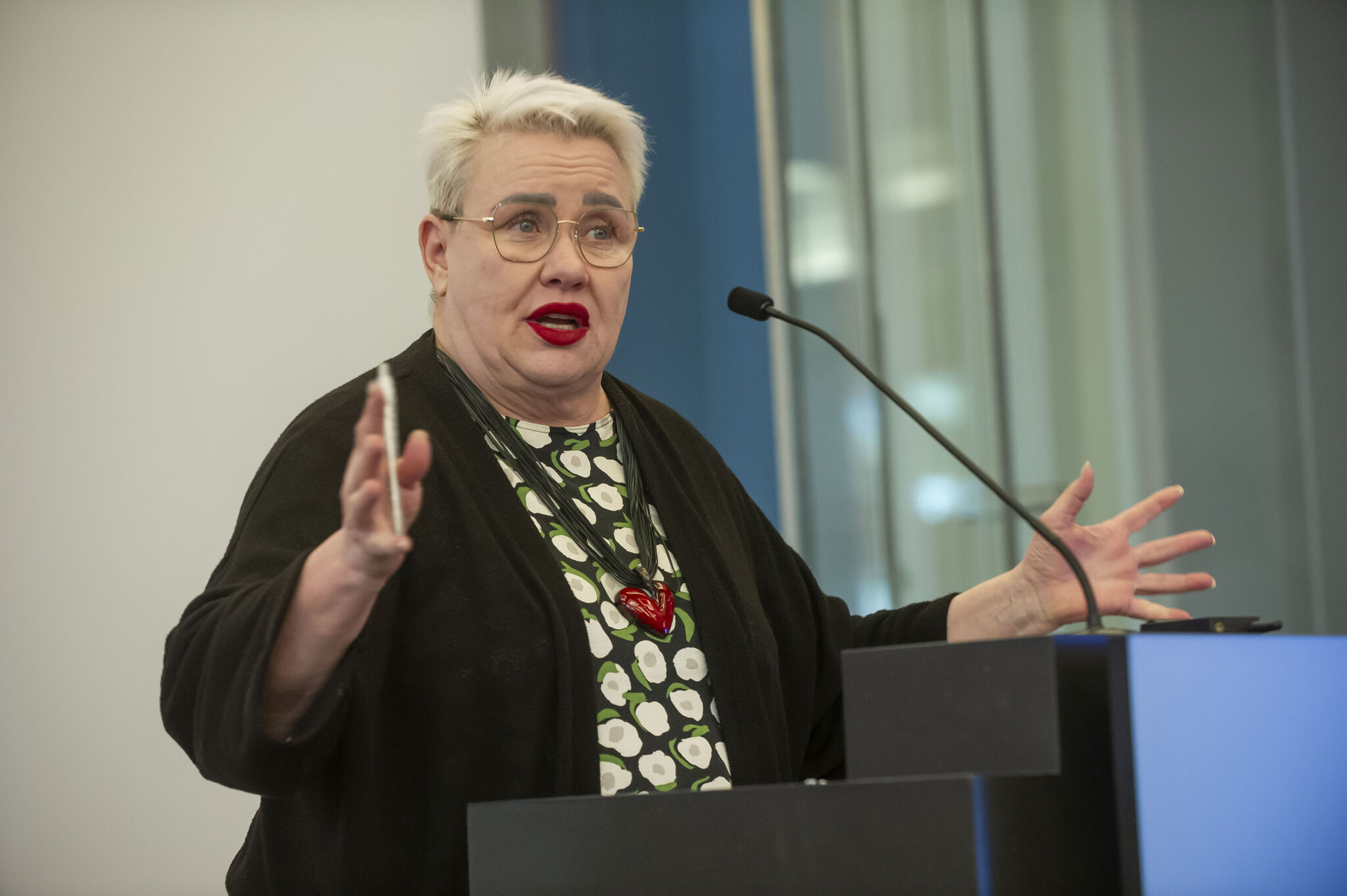
Moderated by Panagiotis Chaslaridis from the European Federation of Allergy and Airways Disease Patients Associations (EFA), this high-level session explored how Europe can accelerate action on indoor air quality by strengthening the link between scientific evidence and policymaking.
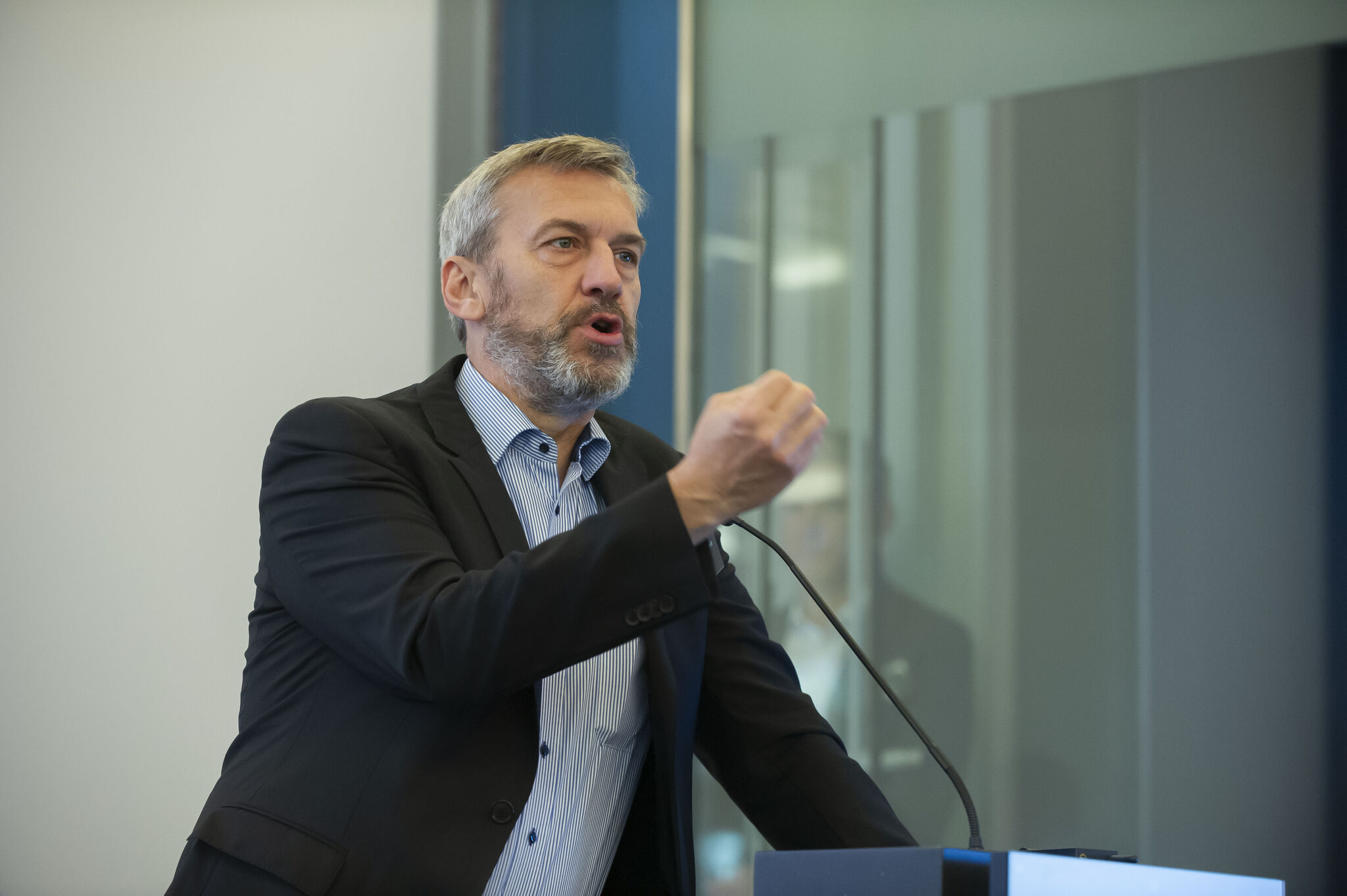
The discussion brought together:
- Sirpa Pietikäinen, Member of the European Parliament.
- Joachim D'Eugenio, Adviser for Zero Pollution, Directorate-General for Environment (DG ENV), European Commission.
- Rita Araujo, Policy Officer, Directorate-General for Research and Innovation (DG RTD), European Commission.
- Prof. Pawel Wargocki, Technical University of Denmark.
- John McKeon, Chief Executive Officer, Allergy Standards.
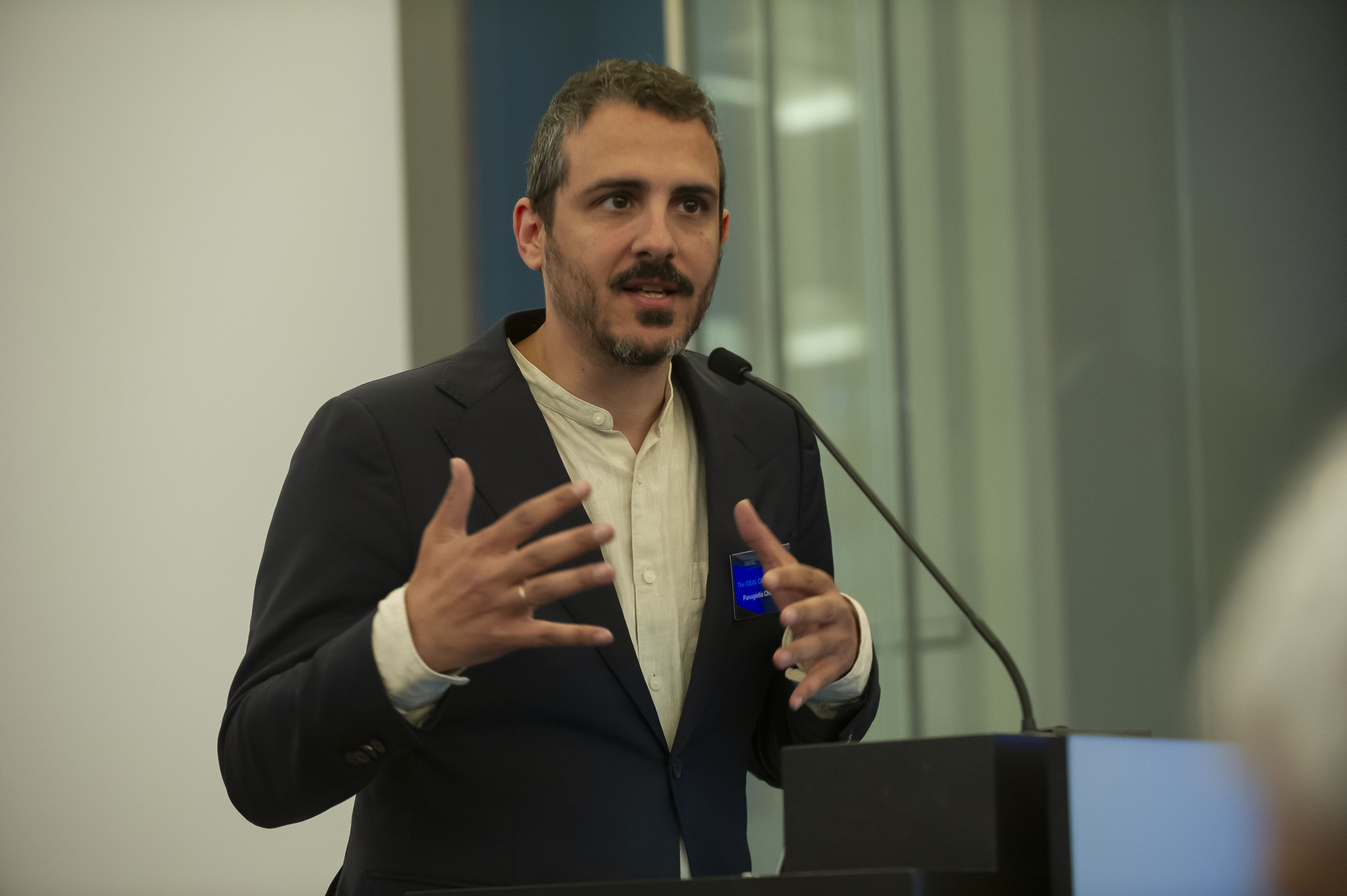
Together, the session participants examined the opportunities created by Europe's growing evidence base and existing policy framework. Beginning with a presentation by Joachim on the main outcomes from the mid-term review of the Zero Pollution Action plan followed by a keynote address from Member of the European Parliament, Sirpa Pietikäinen. Discussions highlighted the need to place indoor air quality higher on the political agenda, strengthen implementation of existing legislation, recognise the close relationship between indoor and outdoor air quality, and continue investing in research and innovation that supports evidence-based policymaking.
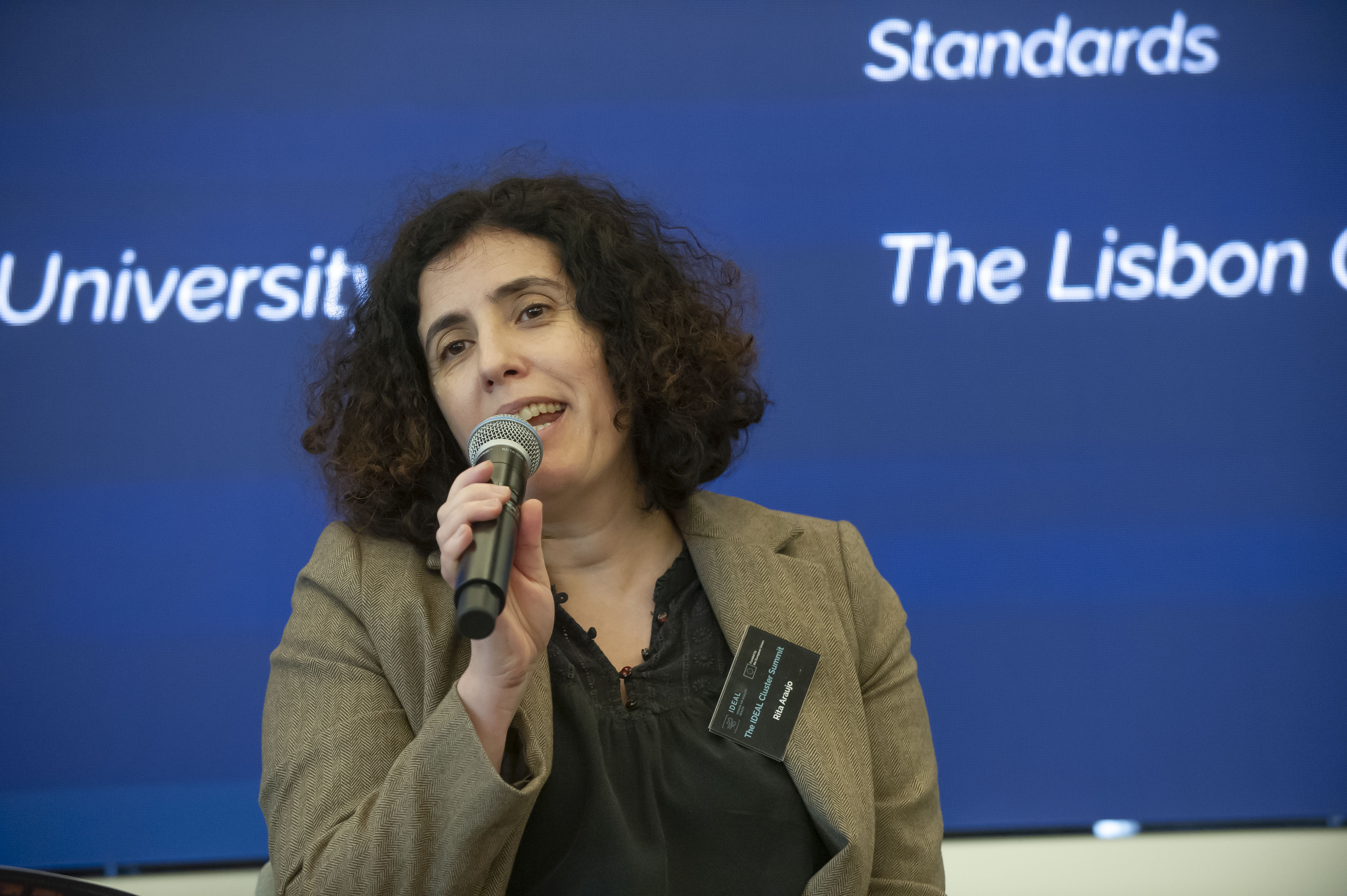
Europe already has many of the scientific foundations, policy instruments and innovative solutions needed to improve indoor air quality. The next challenge is translating this knowledge into coordinated action through stronger collaboration between policymakers, researchers, industry and society.
Emerging Indoor Contaminants – A Mash-Up of Biology, Physics and Chemistry
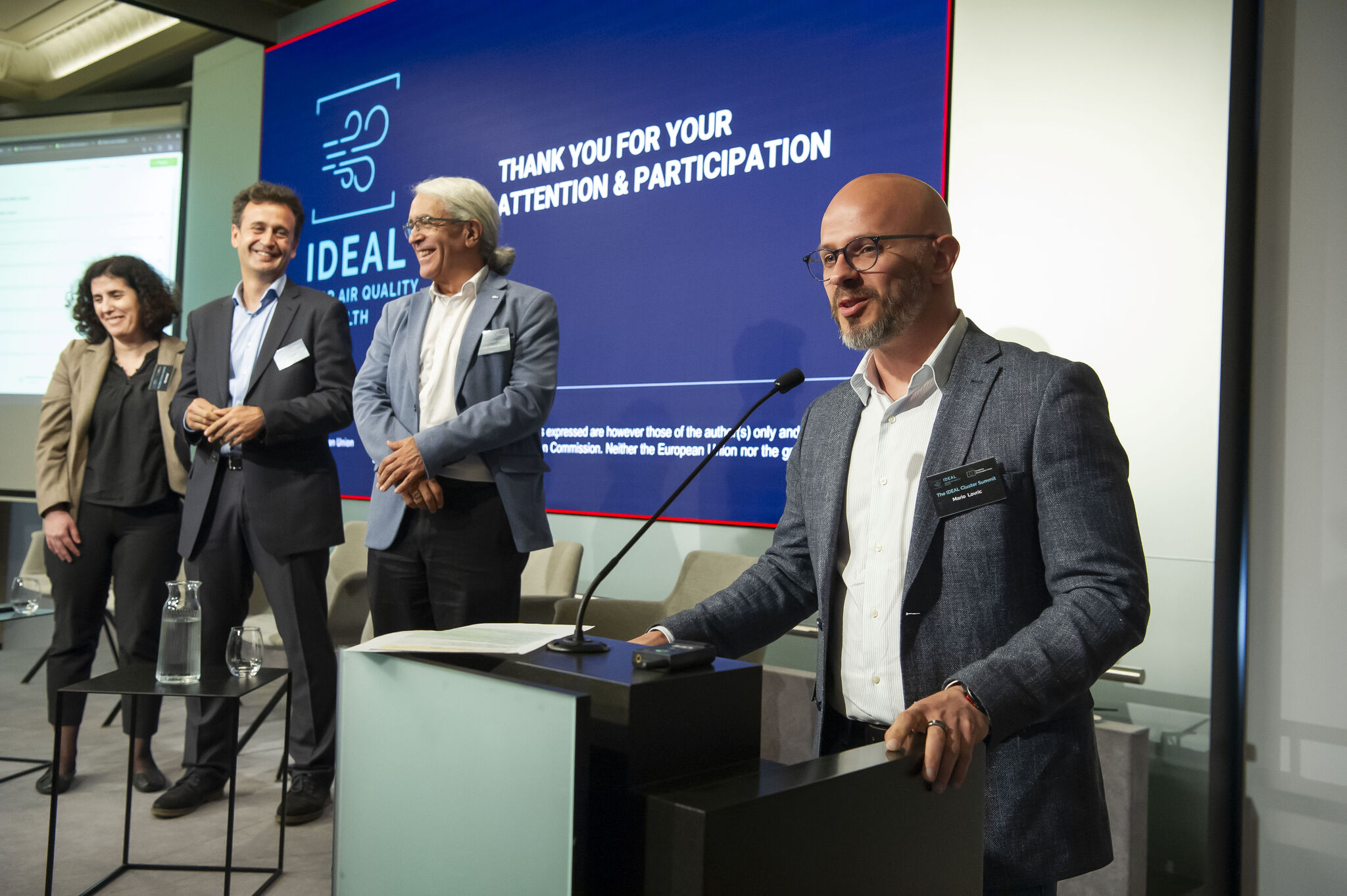
Moderated by Mario Lovrić (The Lisbon Council), this session explored the increasingly complex mixture of biological, chemical and physical pollutants found in indoor environments.
Speakers included:
- Prof. Artur Badyda – Warsaw University of Technology
- Dr Lisa Emily Melymuk – Masaryk University
- Dr Robert M. W. Ferguson – University of Essex
- Prof. Pim Leonards – Vrije Universiteit Amsterdam
- Dr Paula Guedes – Aarhus University
The discussion highlighted emerging contaminants such as PFAS precursors, flame retardants, bioaerosols and complex chemical mixtures, emphasising the need for multidisciplinary research to better understand exposure pathways and associated health risks.
Indoor environments contain a dynamic mix of pollutants that require continued research, improved monitoring and adaptive regulation to protect public health.
Toxicological, NAMs and Health-related Aspects of Indoor Air Quality
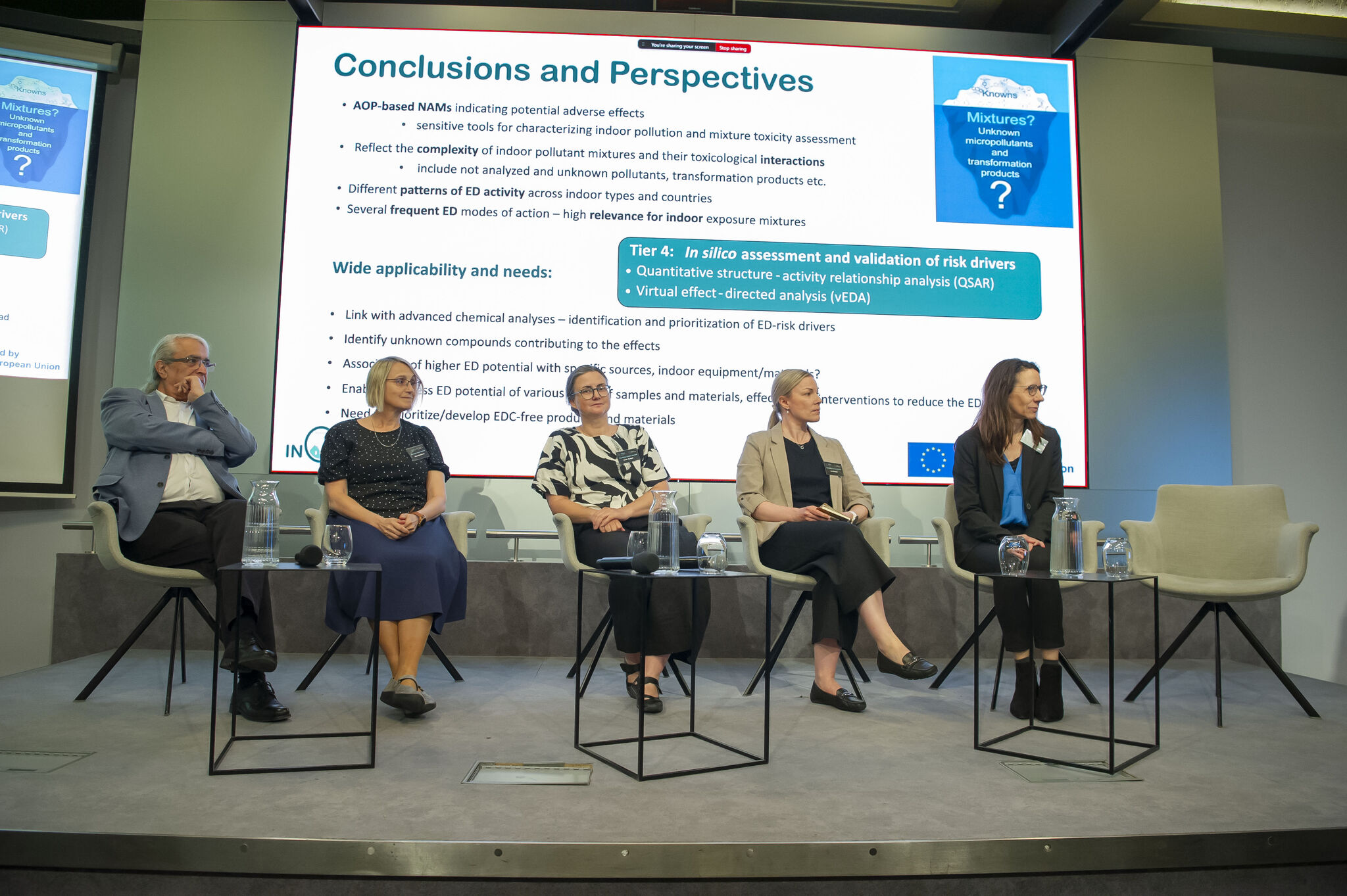
Moderated by Prof. Tuomas Jartti (University of Turku), this session examined the latest advances in toxicology, epidemiology and New Approach Methodologies (NAMs) to better understand the health impacts of indoor air pollution.
Speakers included:
- Prof. Katrin Vorkamp – Aarhus University
- Dr Ernesto Alfaro-Moreno – International Iberian Nanotechnology Laboratory (INL)
- Prof. Aino-Kaisa Rantala – University of Oulu
- Dr Linda Schenk – Karolinska Institutet
- Prof. Klára Hilscherová – Masaryk University
The discussion highlighted how innovative testing methods and health research are improving our understanding of exposure pathways, supporting more robust risk assessment and helping to reduce reliance on traditional animal testing.
Advances in toxicology and New Approach Methodologies are providing stronger evidence to understand the health impacts of indoor air pollution and support more effective, evidence-based public health policies.
New Data and Tools for Europe
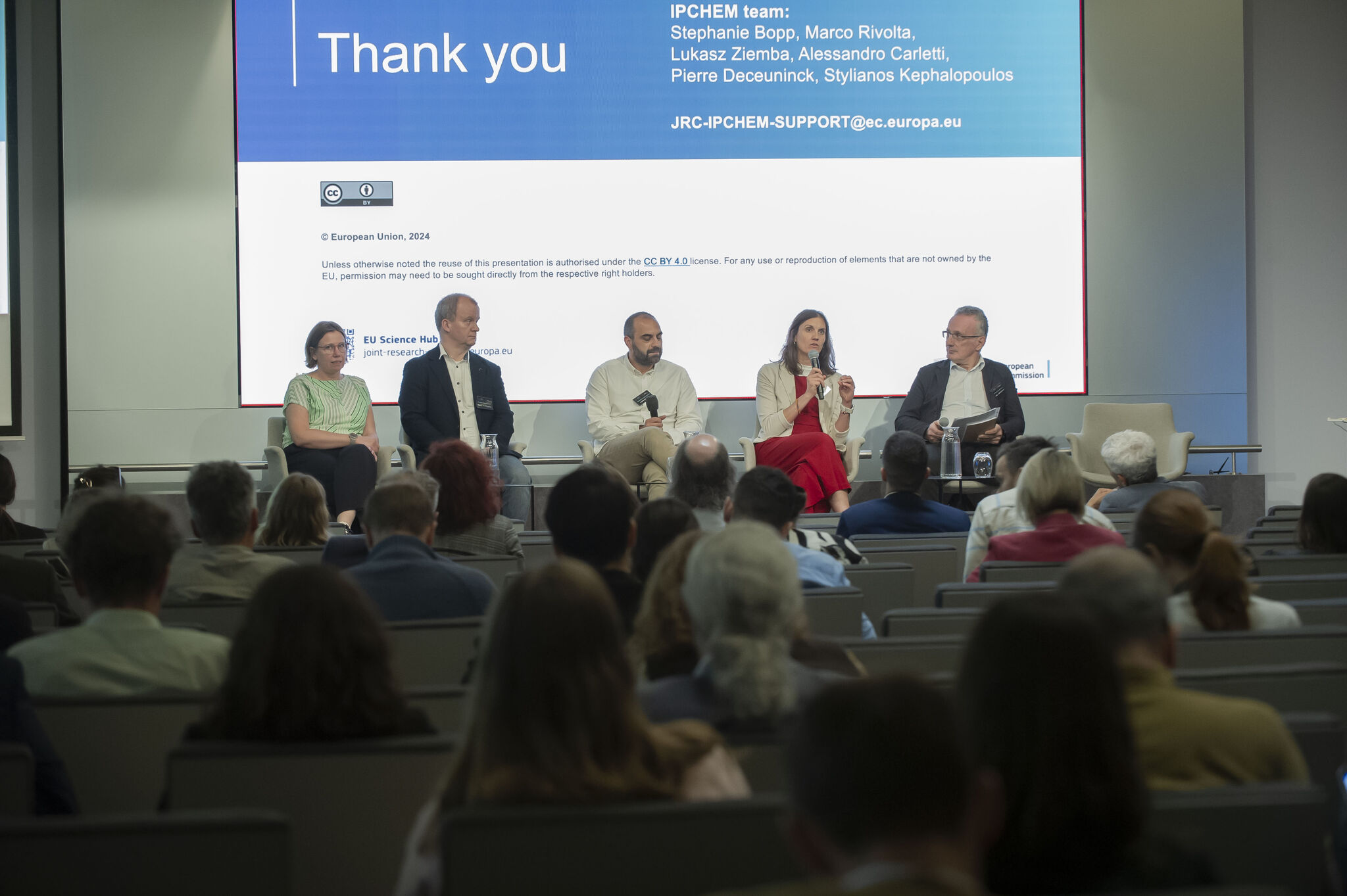
Moderated by Prof. Pim Leonards (Vrije Universiteit Amsterdam), this session showcased how new technologies, harmonised data and innovative monitoring approaches are transforming indoor air quality research and supporting evidence-based decision-making.
Speakers included:
- María Figols – inBiot Monitoring
- Sylvie Remy – Flemish Institute for Technological Research (VITO)
- Vasileios Salamalikis – NILU
- Paweł Rostkowski – NILU
- Stelios Kephalopoulos – Joint Research Centre, European Commission
Presentations demonstrated advances in indoor air quality sensors, digital tools, harmonised datasets and monitoring methodologies, highlighting how reliable data is becoming the foundation for healthier buildings, smarter policies and more effective interventions across Europe.
Accessible, high-quality data and innovative monitoring technologies are essential for understanding indoor environments, supporting evidence-based policymaking and accelerating healthier buildings across Europe.
Transforming Science into Societal Gains – Standardisation, Guidance and Awareness Raising
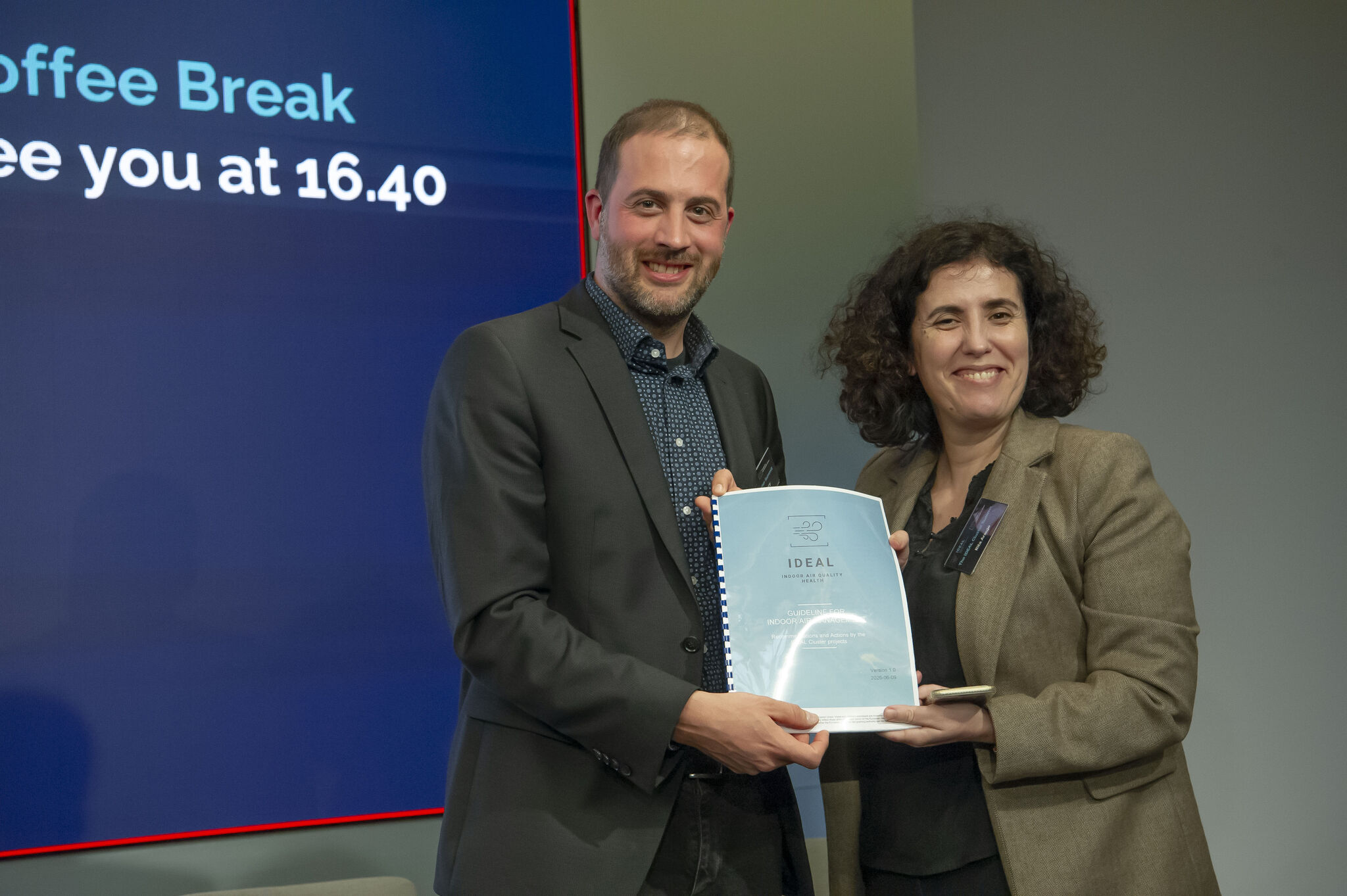
Moderated by Christian Goroncy from the German Institute for Standardisation (DIN), this session explored how scientific evidence can be translated into practical improvements for citizens through standardisation, guidance, communication and education.
Speakers included:
- Kristina Siemens – Global Allergy and Asthma European Network of Excellence (GA²LEN)
- Clara Pogner – Austrian Institute of Technology (AIT)
- Marina Marcos Macarro – FI Group
The discussion highlighted the importance of harmonised standards and guidance to support healthier indoor environments, while emphasising that raising awareness among citizens, building managers and policymakers is equally critical. Participants explored how communication, education and stakeholder engagement can help bridge the gap between scientific evidence and everyday practice, ensuring that research leads to meaningful societal impact.
Scientific evidence only creates lasting impact when it is translated into accessible guidance, harmonised standards and greater public awareness. Strengthening communication and collaboration will be essential to creating healthier indoor environments across Europe.
Where Do We Go From Here? – The Legacy of the IDEAL Cluster
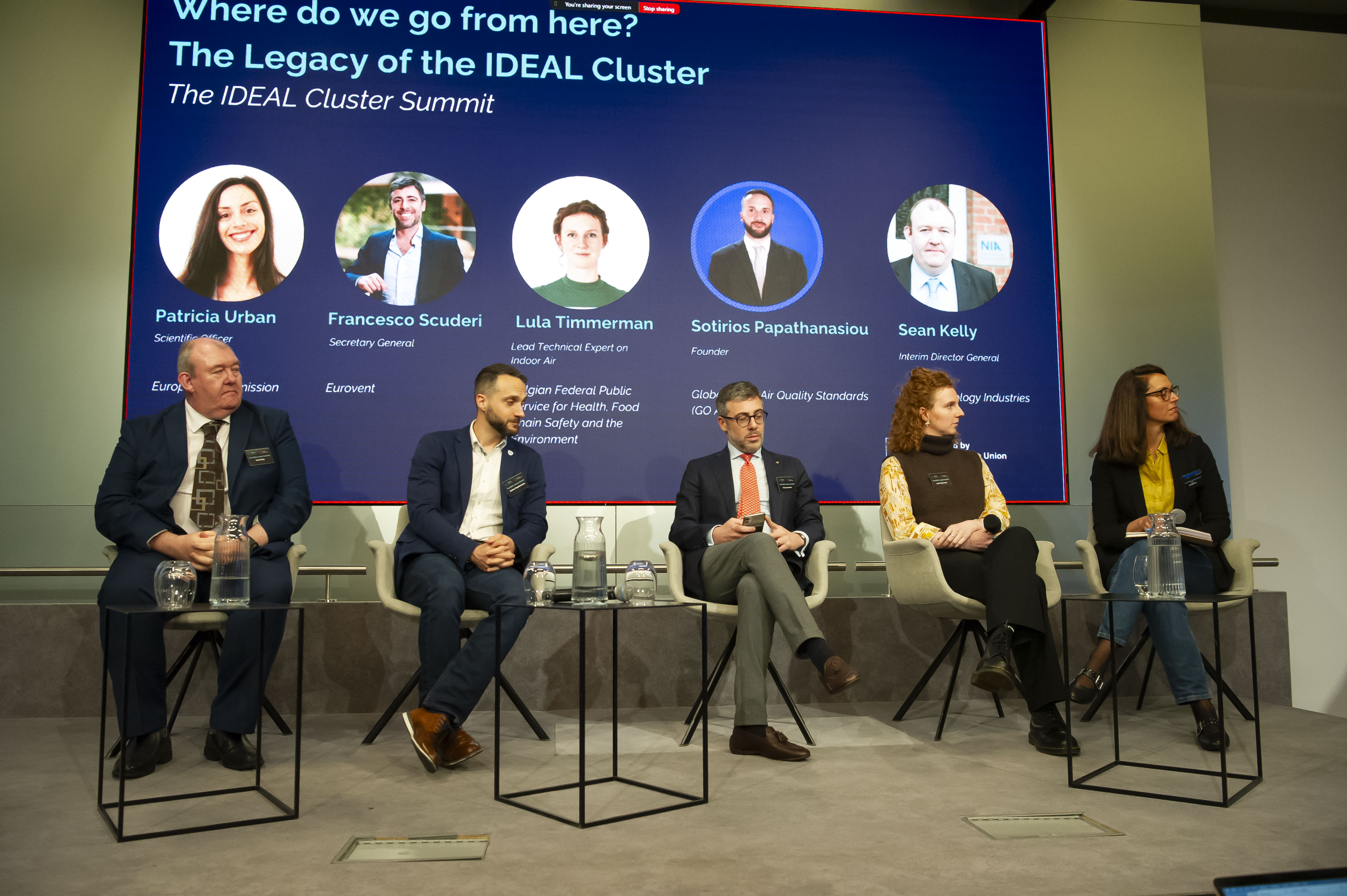
Moderated by Jon Switters (The Lisbon Council), the Summit concluded with a forward-looking discussion on sustaining the impact of the IDEAL Cluster beyond the lifetime of its seven Horizon Europe projects.
The panel featured:
- Patricia Urban – Joint Research Centre, European Commission
- Lula Timmerman – Belgian Federal Public Service for Health, Food Chain Safety and the Environment
- Francesco Scuderi – Eurovent
- Sotirios Papathanasiou – Global Open Air Quality Standards (GO AQS)
- Sean Kelly – Nanotechnology Industries Association
The discussion focused on strengthening collaboration between research, policy and industry, while highlighting the IDEAL Cluster Roadmap, led by EDIAQI, as a lasting legacy that will translate the Cluster's collective knowledge into a shared strategic vision for healthier indoor environments.
The IDEAL Cluster Roadmap will ensure that the knowledge, partnerships and innovations developed over the past four years continue to inform future research, policymaking and action across Europe and beyond.
The IDEAL Cluster Marketplace
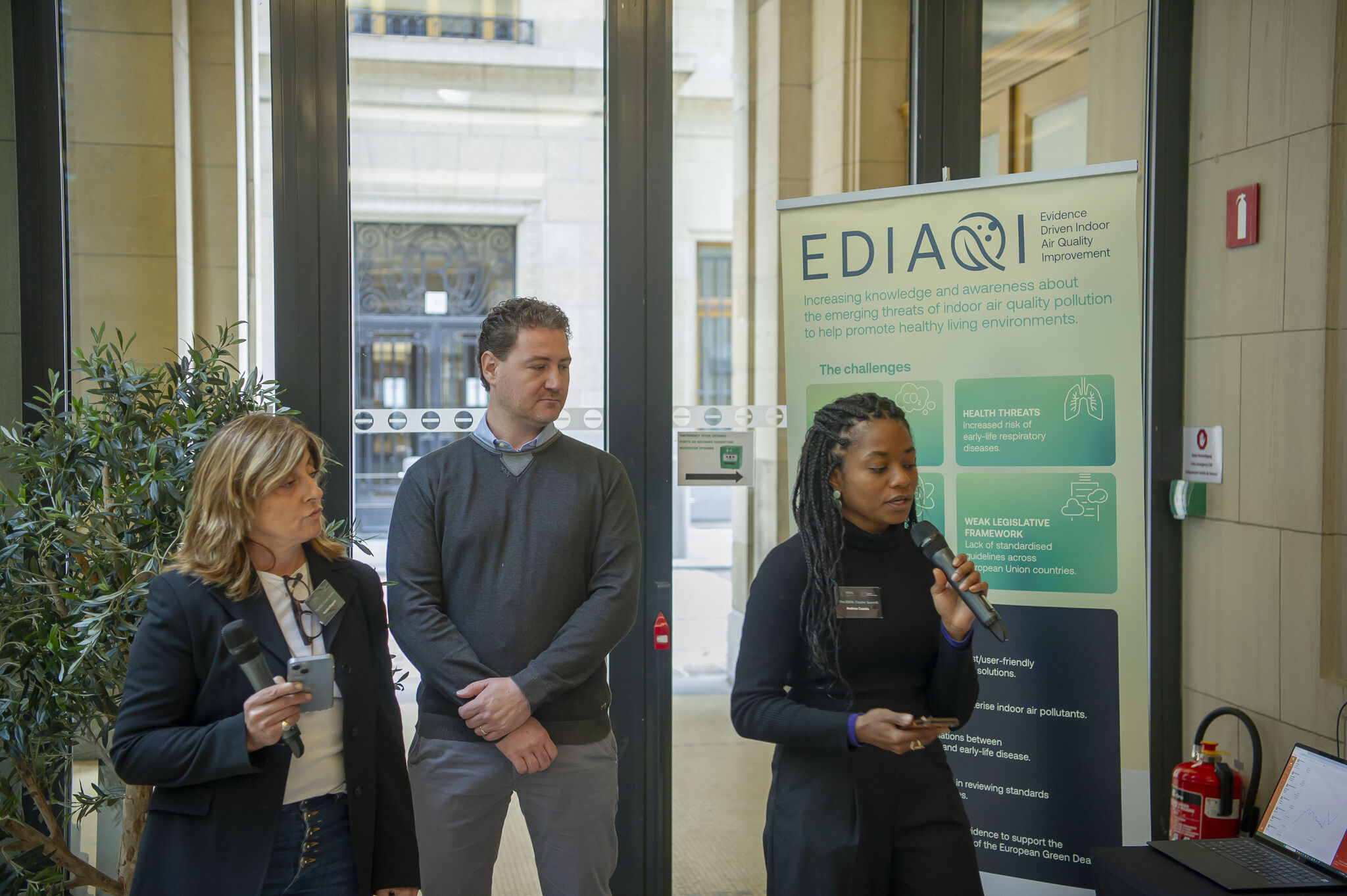
Beyond the conference sessions, participants explored the IDEAL Cluster Marketplace, where all seven projects showcased their latest tools, technologies and practical outputs. Short project pitches from Andrea Cuesta (EDIAQI), Clara Pogner (InChildHealth), Lisa Melymuk (INQUIRE), María Figols (K-HEALTHinAIR), Marina Marcos (LEARN), Maria Kritikou (SynAir-G) and John Gialeslis (TwinAIR) invited participants to discover innovative sensors, digital tools, educational resources and policy solutions developed across the Cluster.
The Marketplace demonstrated that the IDEAL Cluster is more than a collection of research projects. It is a collaborative community developing practical tools, technologies and knowledge to improve indoor air quality and create healthier indoor environments.
Capturing the Conversation
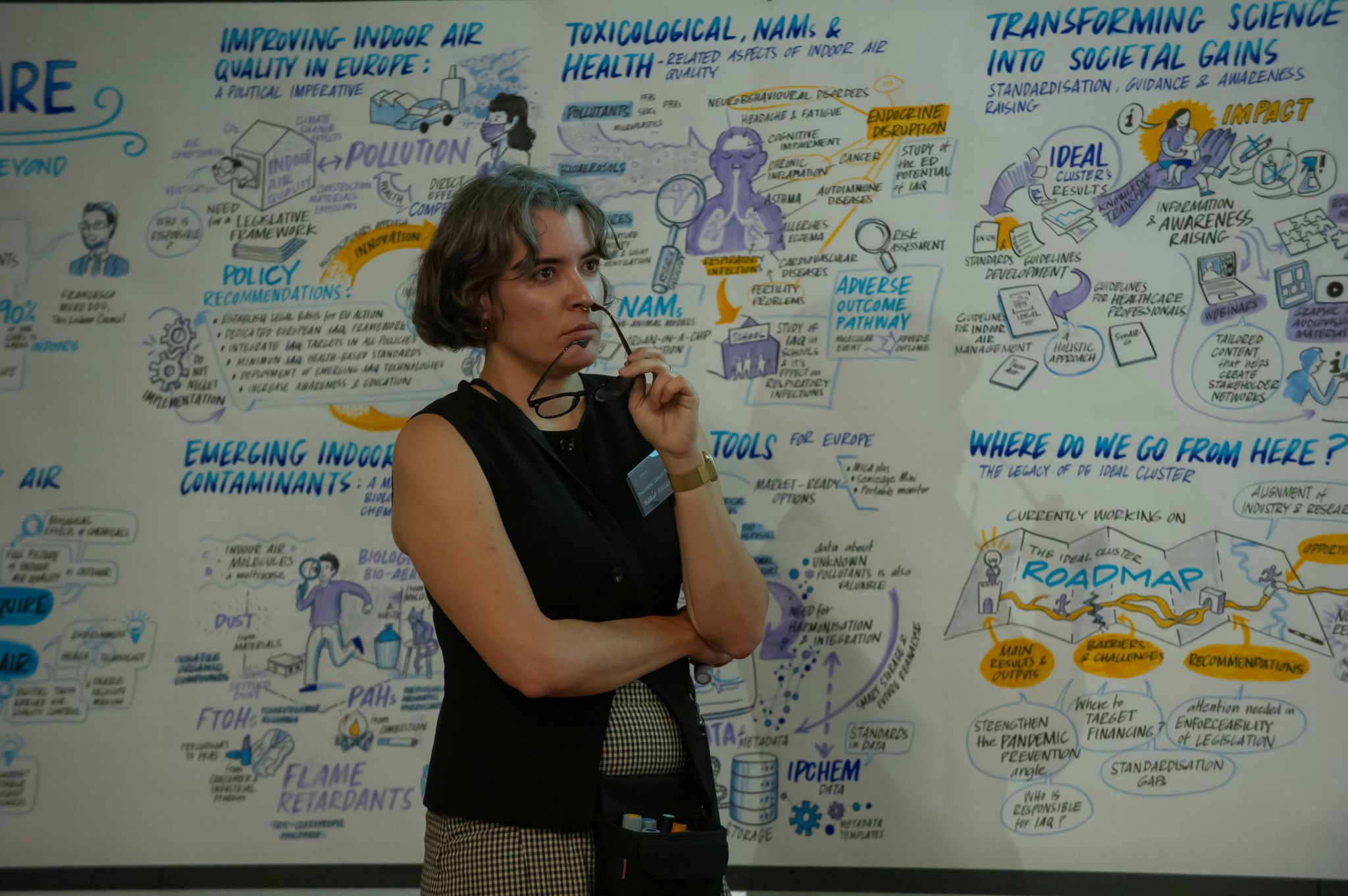
Throughout the Summit, María Foulquié García transformed the day's discussions into a live graphic recording, creating a visual narrative of the key ideas, recommendations and reflections emerging from each session. From scientific discoveries and policy discussions to the IDEAL Cluster Roadmap and future priorities, her work captured the collaborative spirit of The Air We Share and created a lasting visual legacy of the event.
The graphic recording highlighted the value of visual storytelling in communicating complex scientific discussions, ensuring that the Summit's key messages remain accessible and memorable long after the event concluded.
Seven Messages from the IDEAL Cluster Summit
Across the keynote addresses, scientific sessions and policy discussions, seven common conclusions emerged that will help shape the future of indoor air quality research, policy and innovation:
- Indoor air quality matters. It is fundamental to our health, wellbeing and cognitive performance, particularly for children and other vulnerable populations.
- Europe already has the evidence. The IDEAL Cluster has generated an unprecedented body of scientific knowledge, technologies, data and practical solutions to support healthier indoor environments.
- The policy opportunity is real. Existing European legislation provides important foundations for action, but stronger implementation and coordination are needed.
- Research must continue. Emerging contaminants, complex exposure pathways and long-term health impacts require ongoing multidisciplinary research.
- Health must remain at the centre. Protecting citizens and reducing health inequalities should continue to guide research, innovation and policymaking.
- Awareness and standardisation are essential. Greater public understanding, harmonised monitoring approaches and shared standards will be critical to translating scientific evidence into everyday practice.
- The time for action is now. Europe has the knowledge, partnerships and momentum needed to transform research into healthier buildings and healthier lives.
These messages will directly inform the IDEAL Cluster Roadmap, ensuring that the collective expertise of the seven projects continues to support evidence-based policymaking, innovation and collaboration long after the projects themselves have concluded.
Looking Ahead
The inaugural IDEAL Cluster Summit demonstrated the power of European collaboration to advance healthier indoor environments. Over four years, the seven Horizon Europe projects have generated groundbreaking research, innovative technologies and practical solutions. Together, they have also built a strong community committed to translating scientific evidence into real-world impact.
As the project leading the development of the IDEAL Cluster Roadmap, EDIAQI will now build on the Summit's discussions and recommendations, bringing together the collective knowledge of the Cluster into a shared strategic vision for healthier indoor environments across Europe and beyond.
The conversation does not end here - it is only just beginning.