From Scientific Evidence to Global Action: EDIAQI Leads the Development of the IDEAL Cluster Roadmap at Indoor Air 2026
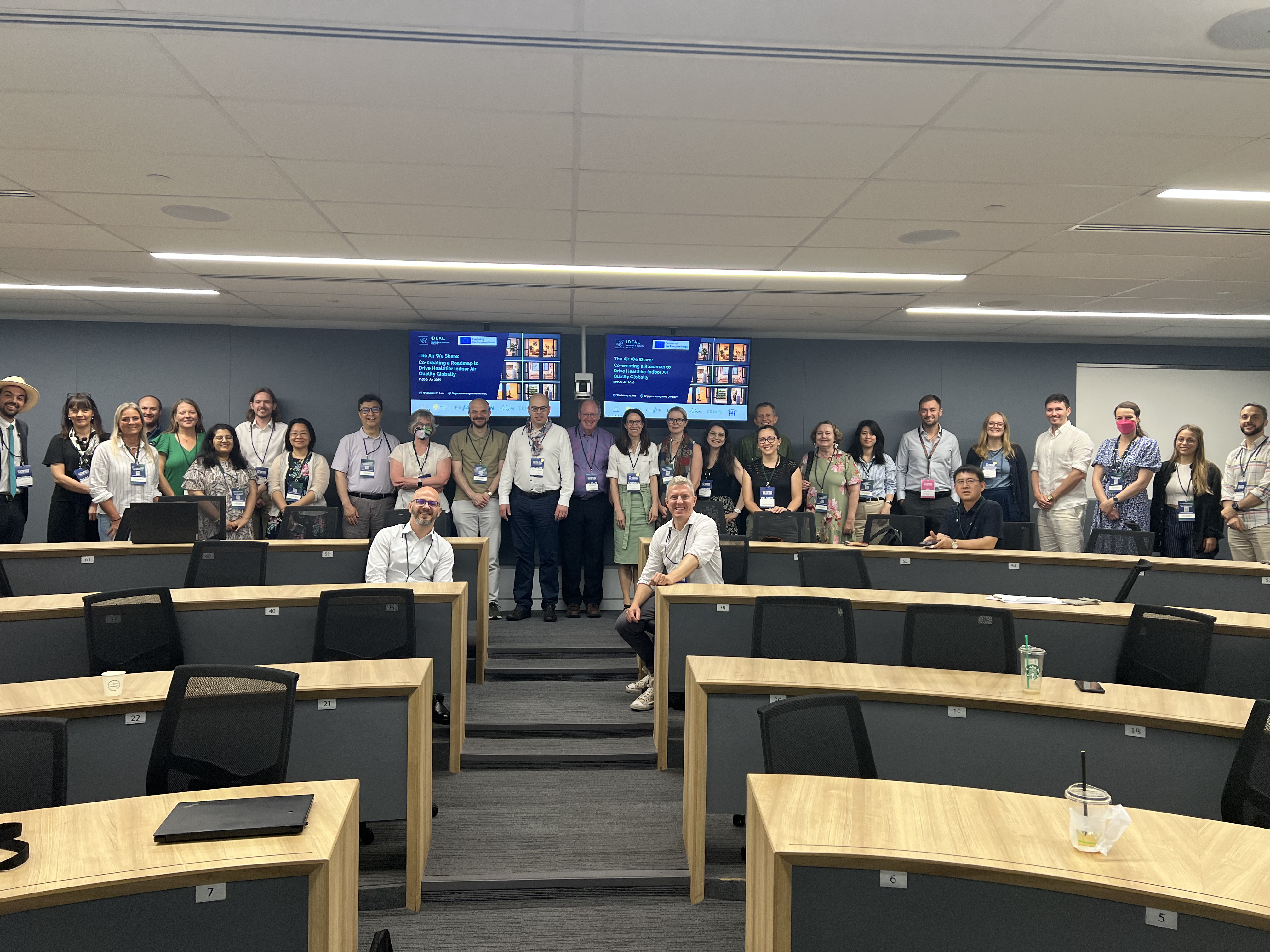
Singapore became a focal point for the future of healthier indoor environments this June as researchers, policymakers and indoor air quality (IAQ) experts from around the world gathered at Indoor Air 2026. As part of the conference, the IDEAL Cluster organised an interactive workshop entitled The Air We Share: Co-creating a Roadmap to Drive Healthier Indoor Air Quality Globally, bringing together expertise from across seven Horizon Europe projects to identify the priorities that will shape the next generation of IAQ policy, research and innovation.
The workshop formed part of EDIAQI's leadership of the IDEAL Cluster Roadmap, a flagship initiative that the project is coordinating on behalf of the Cluster. The roadmap will synthesise the collective findings, best practices and recommendations emerging from all seven projects, creating a shared strategic vision for translating scientific evidence into practical action that improves indoor air quality across Europe and beyond.
Leading the IDEAL Cluster Roadmap
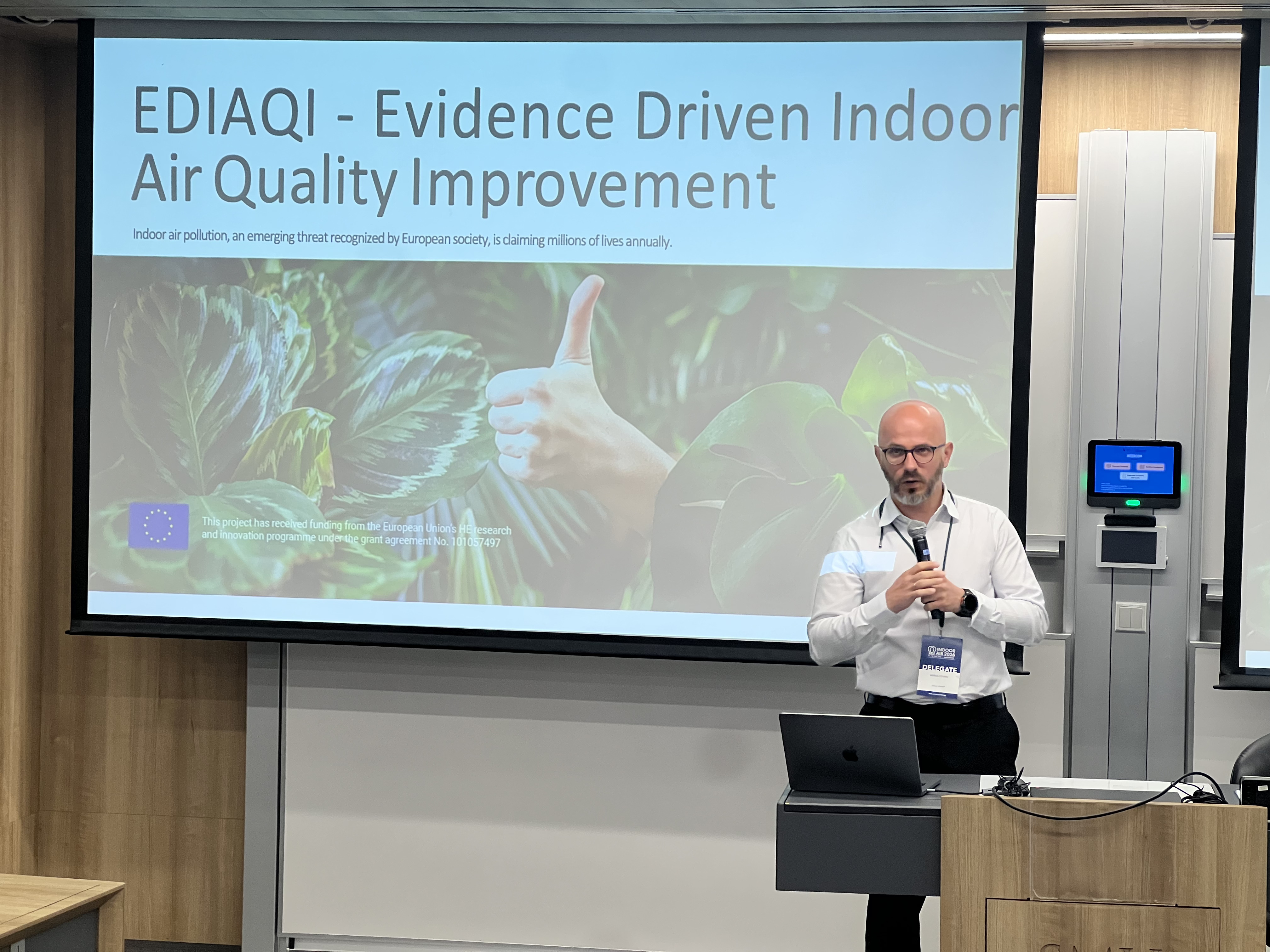
While EDIAQI is advancing the scientific understanding of indoor air quality through cutting-edge monitoring technologies, exposure science, toxicology and data analytics, it is also playing a broader role within the IDEAL Cluster by leading the development of its long-term roadmap.
The roadmap aims to capture not only the scientific achievements of the Cluster, but also the lessons learned, policy priorities and practical recommendations needed to accelerate healthier indoor environments. To ensure it reflects a truly international perspective, the IDEAL Cluster used the Indoor Air 2026 conference as an opportunity to engage directly with the global indoor air quality community.
Rather than simply presenting research findings, the workshop invited participants to actively contribute to the roadmap through a structured co-creation exercise, ensuring that its recommendations are informed by diverse experiences, disciplines and geographical contexts.
Understanding the barriers
Participants from across the globe explored one central question: Why is healthier indoor air not yet the norm?
Despite significant advances in research, the discussions revealed a remarkably consistent set of challenges.
Indoor air pollution remains largely invisible to the public, awareness among decision-makers is often limited, and communication of health risks is inconsistent. Participants also identified the high costs of interventions, social inequalities in access to healthier buildings, fragmented governance, limited enforcement capacity, shortages of skills and monitoring, and continuing uncertainty surrounding emerging pollutants.
Collectively, these discussions highlighted an important reality: generating scientific evidence alone is not enough. The next challenge is ensuring that knowledge is effectively translated into policy, practice and everyday decision-making.
Building on Europe's scientific progress
The workshop also demonstrated the extraordinary progress already being achieved through European research.
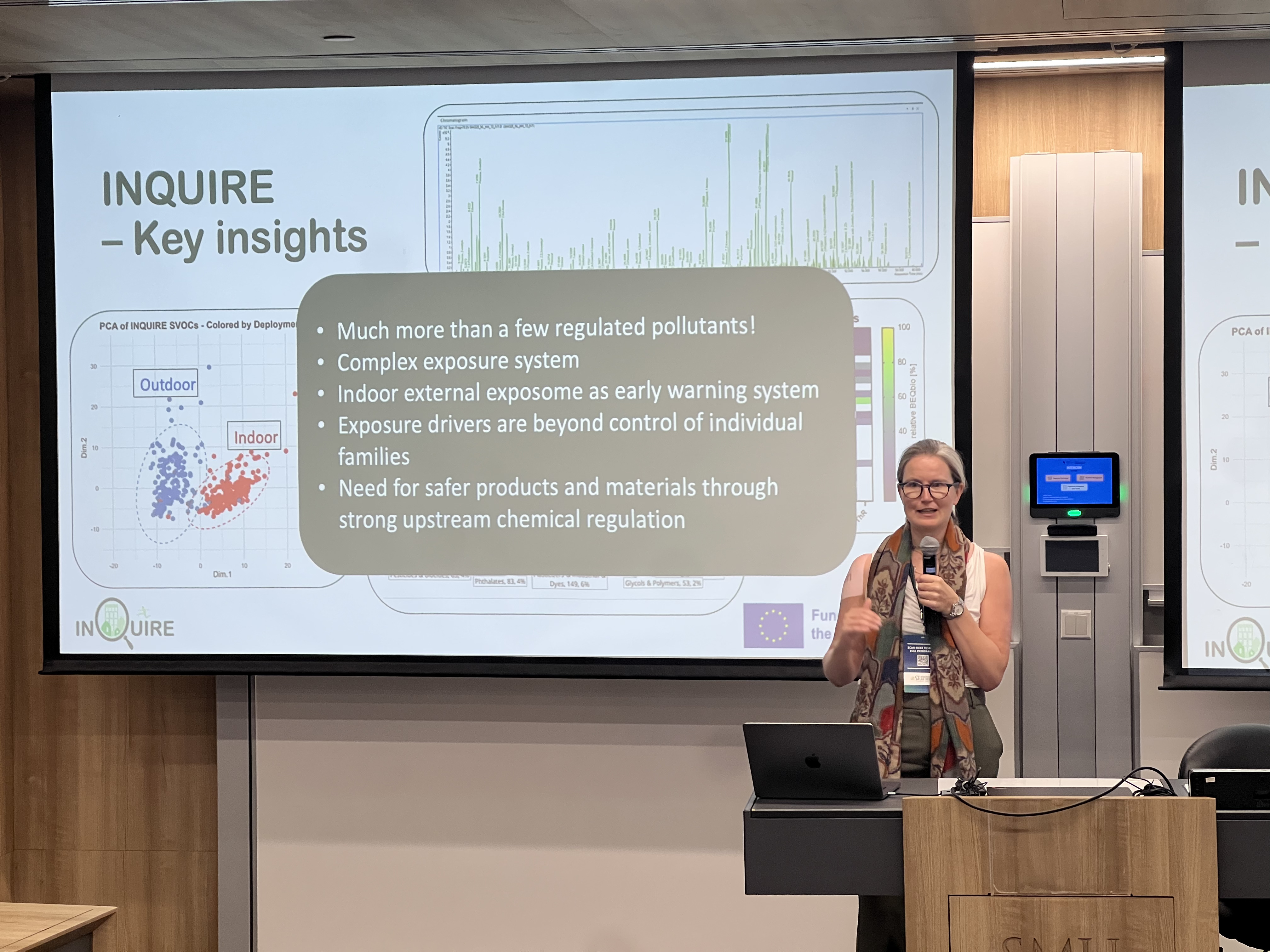
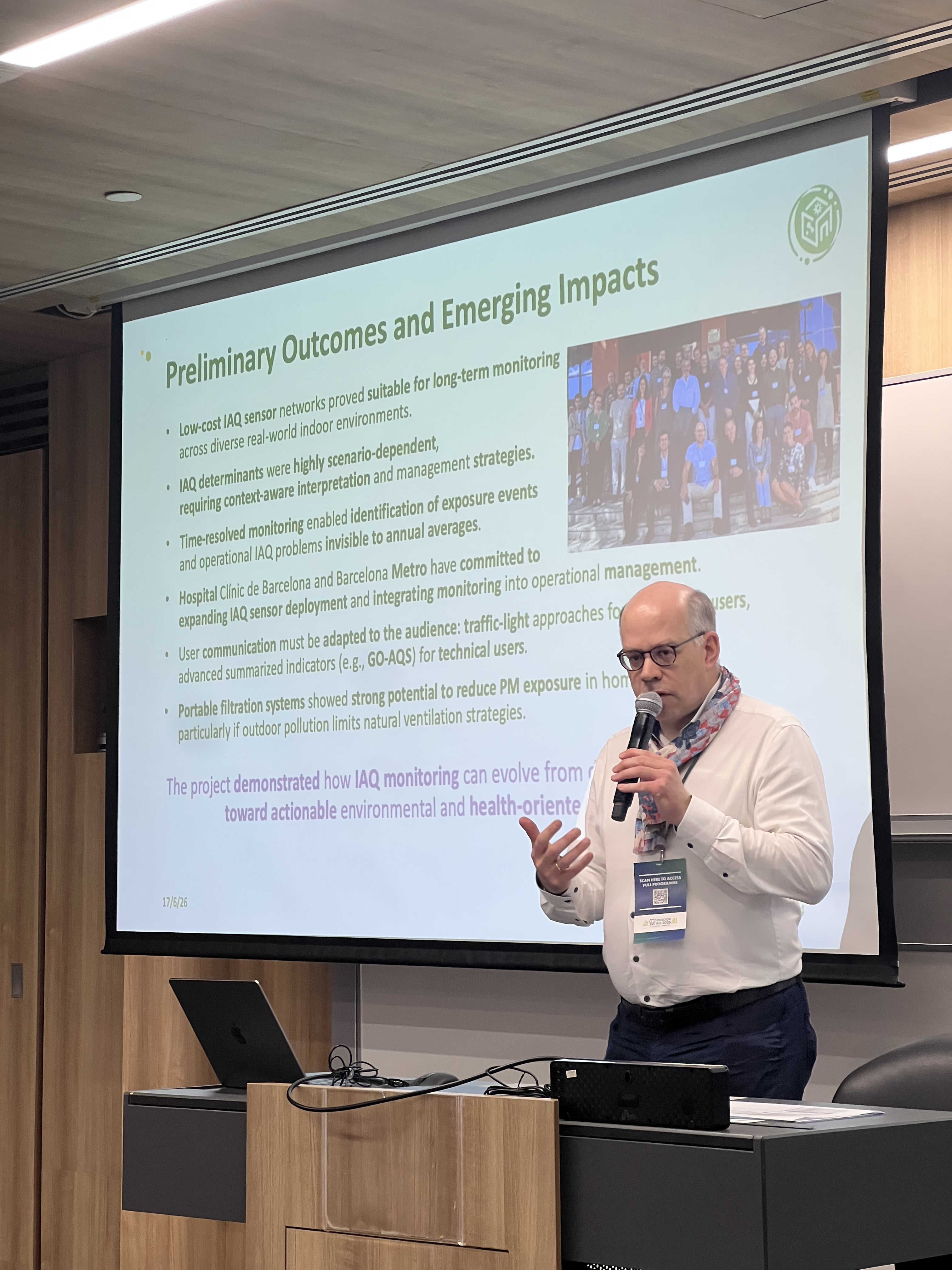
EDIAQI presented advances in exposure science, monitoring technologies and data-driven approaches to understanding indoor air quality. Alongside EDIAQI, the other IDEAL Cluster projects showcased complementary innovations spanning digital twins, intelligent sensing, children's health, the indoor exposome, intervention strategies, educational tools and harmonised risk assessment methodologies.
Together, the presentations illustrated how the Cluster is building an increasingly comprehensive understanding of indoor environments while simultaneously developing practical technologies and interventions capable of improving them.
However, participants agreed that the greatest opportunity now lies in moving beyond research outputs towards implementation.
Several priorities consistently emerged:
- Framing indoor air quality as both a public health and economic opportunity.
- Creating shared datasets and strengthening global knowledge exchange.
- Building stronger partnerships between researchers, policymakers, industry, building managers and communities.
- Demonstrating successful real-world examples that show healthier buildings are an investment rather than a cost.
From evidence to implementation
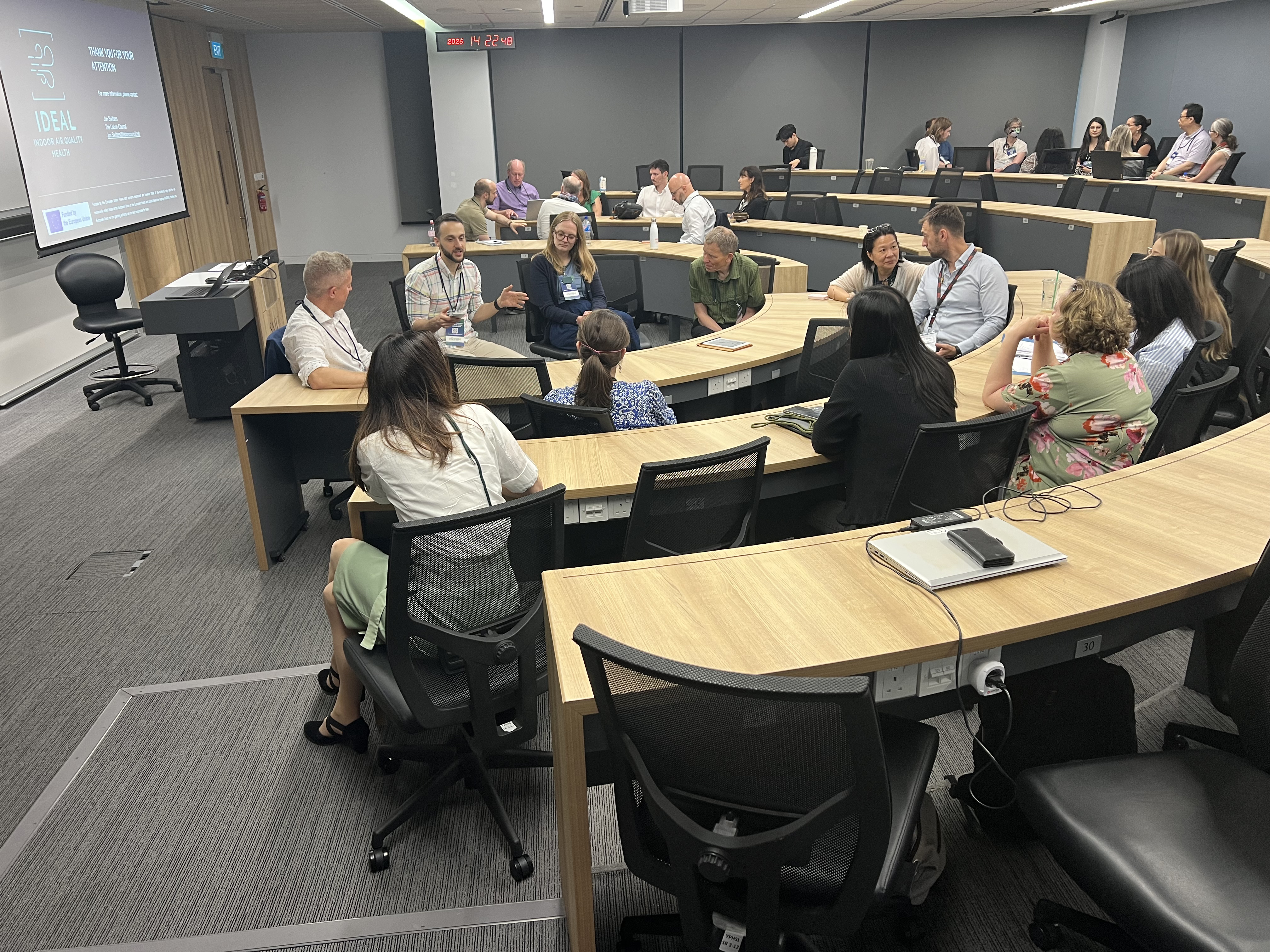
The final part of the workshop focused on identifying the actions needed to accelerate progress.
- Participants called on governments to strengthen the implementation and enforcement of existing indoor air quality guidance while prioritising vulnerable settings such as schools and public buildings.
- Industry was encouraged to focus on practical, stepwise improvements to existing buildings, recognising that meaningful progress does not always require complete renovation.
- Researchers were challenged to engage more closely with practitioners and decision-makers throughout the research process, ensuring that scientific findings are translated into usable knowledge.
- Finally, communities and building operators were recognised as essential partners, with improved IAQ literacy, training and day-to-day management practices identified as critical components of healthier indoor environments.
Shaping the future of healthier indoor environments
The insights gathered during the workshop will now be incorporated into the IDEAL Cluster Roadmap, led by EDIAQI, helping create a shared strategic framework that connects scientific evidence with policy and practice.
By coordinating this work, EDIAQI is helping ensure that the collective knowledge generated across Europe's leading indoor air quality projects becomes far more than a collection of individual research outputs. Instead, it will provide policymakers, researchers, industry and society with a coherent set of evidence-based recommendations capable of driving healthier indoor environments for years to come.