The EDIAQI Indoor Air Quality Conference
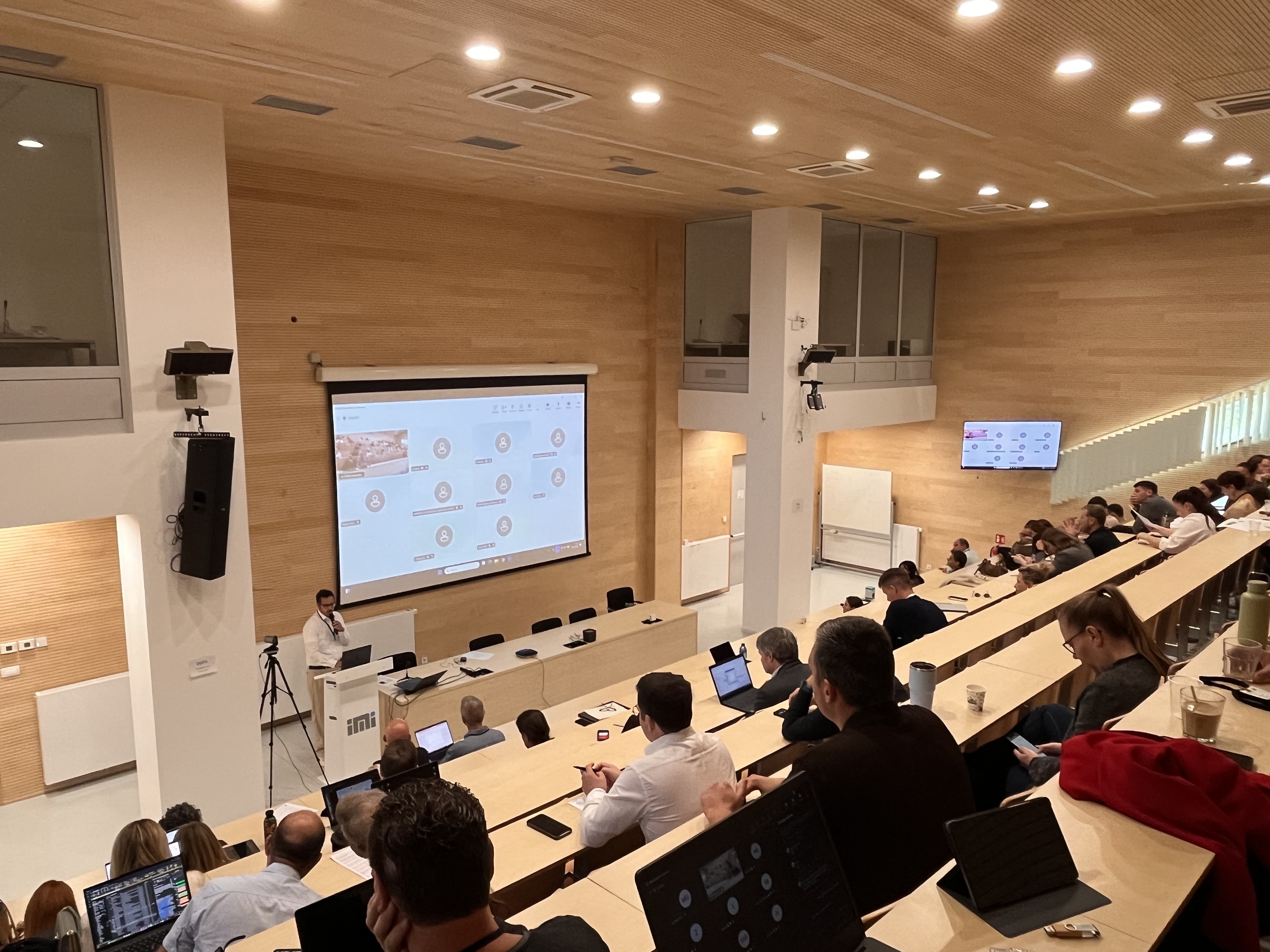
The EDIAQI Indoor Air Quality Conference brought partners and the wider research community together in Zagreb on 29 September 2026 to share results, explore practical solutions and discuss how this work can continue improving the air we breathe indoors.
Our warmest thanks go to our hosts, the Institute for Medical Research and Occupational Health (IMROH), and our co-organisers, the Croatian Air Pollution Prevention Association (CAPPA). A special thank you to Goran, Gordana, Marko, Jelena and Dubravka for their help with the organisation, their care throughout the day and their warm welcome.
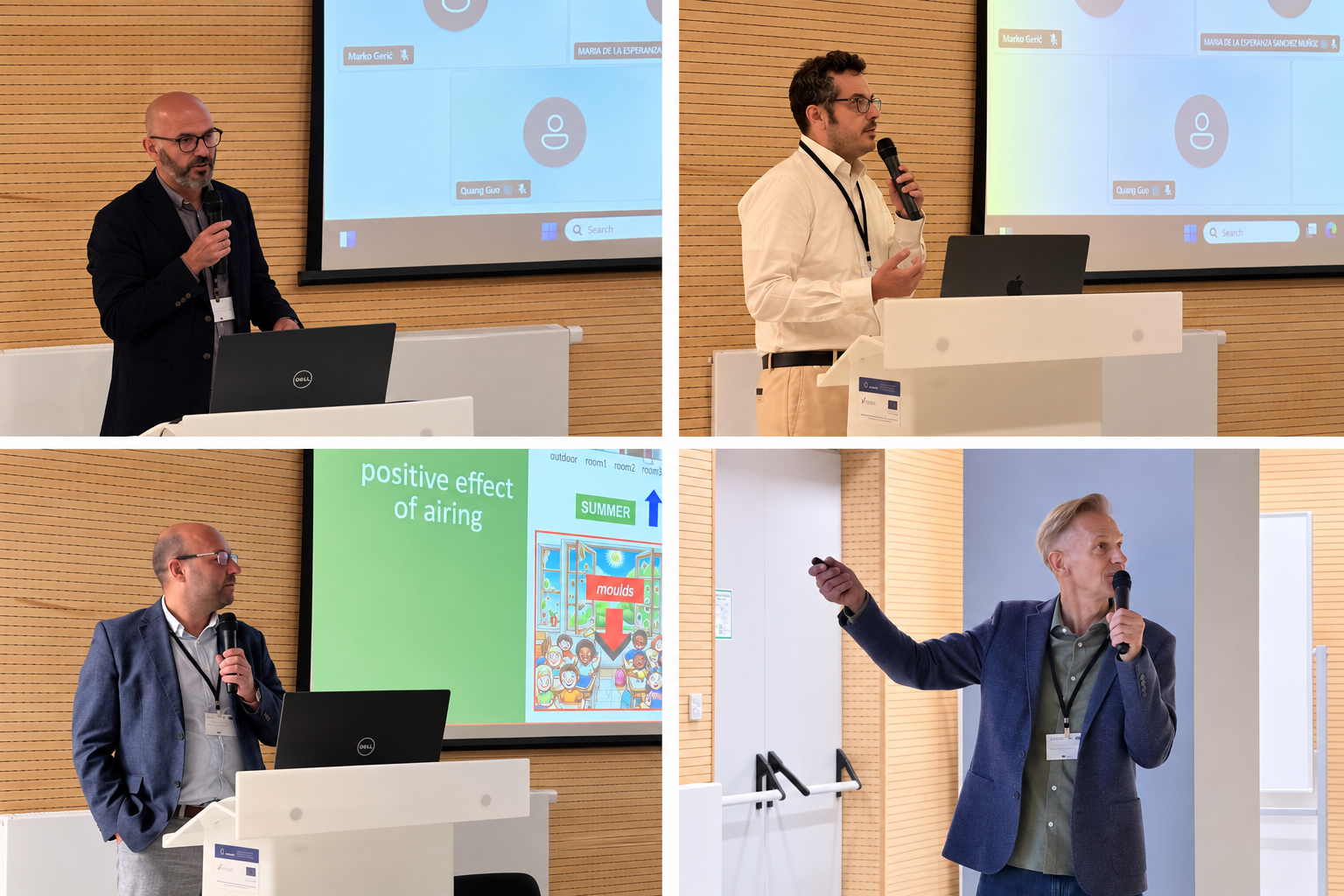
We also thank our keynote speakers, Francesco Mureddu and Mario Lovrić, for setting the scene and highlighting the importance of translating scientific achievements into lasting benefits for citizens. Opening contributions from Ranka Godec, Goran Gajski and Andreja Jurič helped frame the day and welcome the community to Zagreb.
We were delighted to welcome colleagues from K-HEALTHinAIR, particularly Adam Muszyński, Artur Badyda and María Figols González. Their contributions strengthened the exchange between projects and brought valuable perspectives on research, public health and sustaining impact beyond a project’s lifetime.
It was wonderful to see so many results emerging from EDIAQI, complementary projects and other initiatives. Across presentations, posters and panel discussions, the conference connected scientific evidence with technologies, education and policy to support healthier indoor environments.
Sharing scientific results and practical solutions
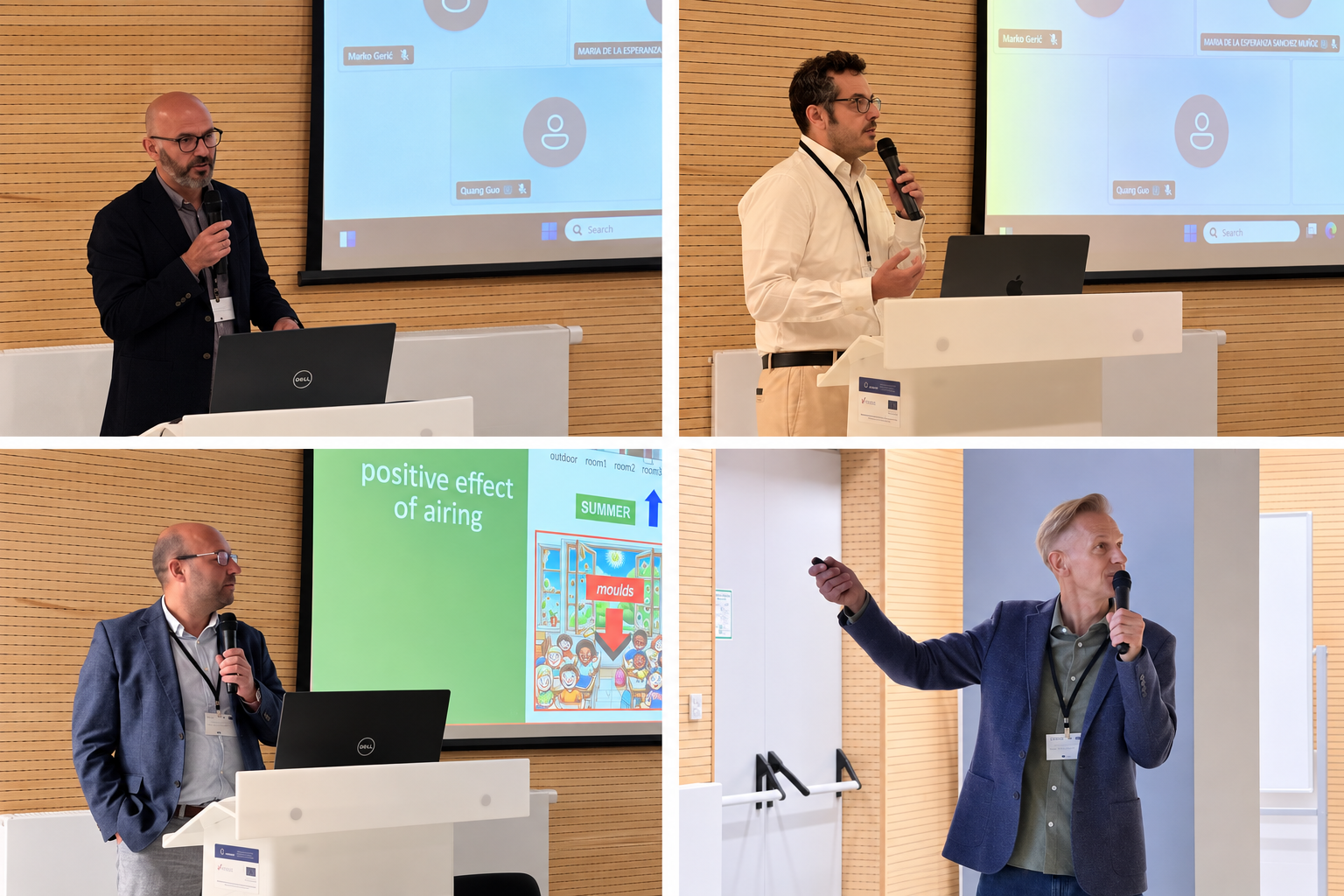
The programme explored what we have learned, how that knowledge can be applied and where further collaboration is needed.
- Opening remarks and keynotes: The opening session highlighted indoor air quality as a shared public health priority and the importance of ensuring that research delivers practical benefits for citizens.
- Plenary presentations: Artur Badyda and Adam Muszyński shared perspectives from K-HEALTHinAIR, contributing to the exchange of knowledge across projects working towards healthier indoor environments.
- Scientific Results and Achievements: Pasquale Avino, Michael Forsmann, İlknur Ayri, Lucija Dodigović, Dejan Strbad and Heimo Gursch presented work covering sampling and analysis of indoor contaminants, early-life exposure and asthma, personal exposure monitoring, awareness and behaviour, simulation tools, and the collection and management of sensor data.
- Poster sessions: Researchers shared work on pollutants and exposure, the indoor microbiome, monitoring technologies, social perspectives, health effects and toxicology. These sessions offered an opportunity to explore individual studies and exchange ideas directly with their authors.
- Scientific Talks: Marija Jelena Lovrić Štefiček, Tomislav Bituh, Juliana P. Sá, Greggory Don Butler and Tadesse Weyuma Bulto explored machine learning for indoor pollution assessment, radon prediction, portable air cleaners in schools, evidence to support indoor air quality decisions, and the wider health impacts of particulate matter.
- Technology, Innovation and Scaling Up: Contributions from Jan-David Förster, Heimo Gursch, Marija Jelena Lovrić Štefiček and Dejan Strbad connected monitoring technologies, data infrastructure and modelling. The session explored how these developments can support practical improvements and the barriers to their wider adoption.
- Setting the Scene — The Air Ahead: María Figols González, Artur Badyda, Mario Lovrić, Jon Switters and Jesica Fernández contributed perspectives on sustaining research impact, the EDIAQI Toolbox, Roadmap and training resources. The session also explored how continued collaboration and a potential EDIAQI NGO or community initiative could help carry this work forward.
- Closing reflections and networking: The day concluded with further conversations about future collaboration and opportunities to build on the knowledge and relationships developed through EDIAQI.
Celebrating our poster contributors
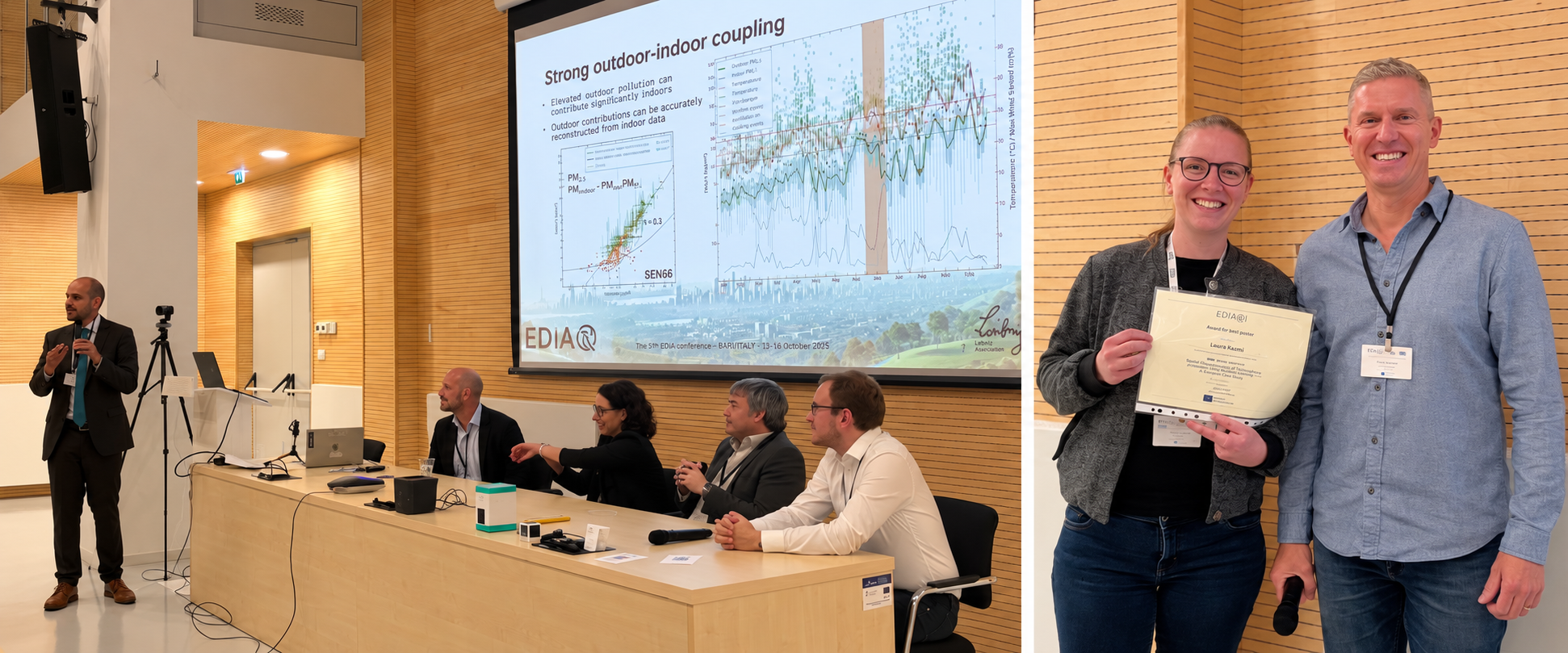
The quality and variety of the posters were a highlight of the conference. Thank you to Jelena Šarac, Lana Žoldoš, Tajana Horvat, Lina Davulienė, Luka Kazensky, Bruno Bekić, Jan-David Förster, Morana Jarec, Lia Rinaldi, Lucia Nanić, Anja Bošnjaković, Matjaž Novak, Bojana Žegura and Katarina Matković for contributing their research.
Special congratulations to Lucia Nanić, from the Institute for Medical Research and Occupational Health, our poster award winner for P10, “Leukocyte Telomere Length and Genomic Instability in Children with Asthma and/or Allergic Rhinitis”.
It was a pleasure to celebrate this achievement alongside the work of researchers from across the consortium and the wider scientific community.
Ensuring lasting value beyond the project
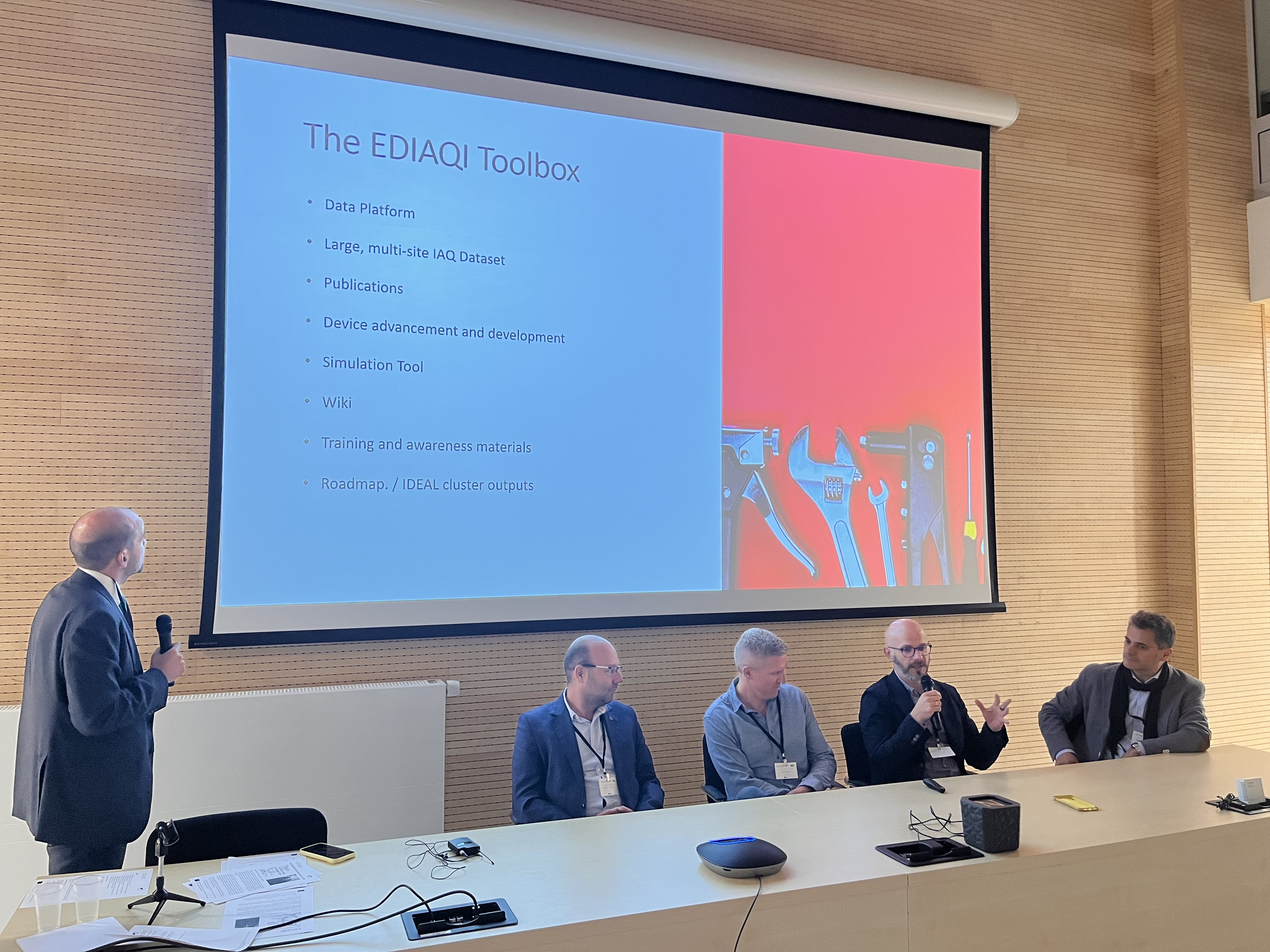
As EDIAQI approaches the end of its official project period, our priority is to ensure that the evidence, tools, guidance and partnerships developed through this collaboration continue delivering value to European citizens.
The EDIAQI Toolbox, Roadmap and training resources provide a foundation for this next phase. Keeping them accessible, supporting their uptake and continuing to exchange knowledge across projects will help turn research into everyday improvements in homes, schools, workplaces and public buildings.
Our ambition is a future where indoor air quality is no longer seen as a niche issue, but receives the attention it deserves as a shared public health priority. Through continued collaboration, we want to achieve substantial improvements so that everyone can breathe healthy air indoors.
Thank you to all our hosts, co-organisers, speakers, panellists, poster contributors, consortium partners and participants for making the conference such a valuable occasion.
There is still more to come from EDIAQI, and we look forward to sharing the next steps.